In-Depth Analysis of Core Component Maintenance for the Mitsubishi S4Q2 Engine

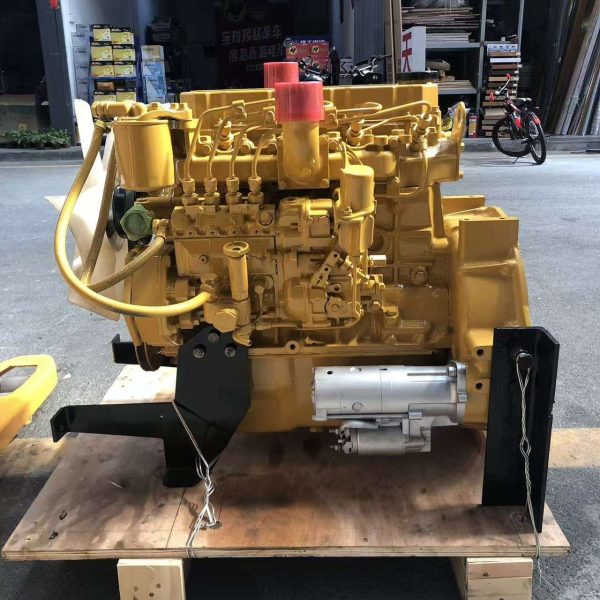
The Mitsubishi S4Q2 is a classic inline, four-cylinder, four-stroke, water-cooled diesel engine favored globally across the construction machinery, material handling, and generator set industries; its design architecture perfectly balances high power density with exceptional compactness. With an optimal displacement of 2.505 liters (88mm bore, 103mm stroke), the engine delivers a robust power output ranging from 19 to 40 kW (peaking at approximately 53 hp) within the 1800 to 3000 RPM range. Its impressive torque performance—reaching a maximum of 138 Nm—makes it an ideal power source for compact excavators, forklifts, and silent generator sets. The S4Q2 is renowned for its superior low-noise, low-vibration (NVH) characteristics and high fatigue resistance. Its smooth operation stems from Mitsubishi’s precision crankshaft dynamic balancing and optimized engine block rigidity, which significantly reduce structural stress caused by mechanical resonance, even during continuous, high-load operations. For professional buyers seeking efficient, reliable power solutions and components, a deep understanding of the S4Q2’s fundamental mechanical features and energy conversion logic serves as the essential foundation for informed equipment selection and the establishment of an efficient maintenance and service chain.
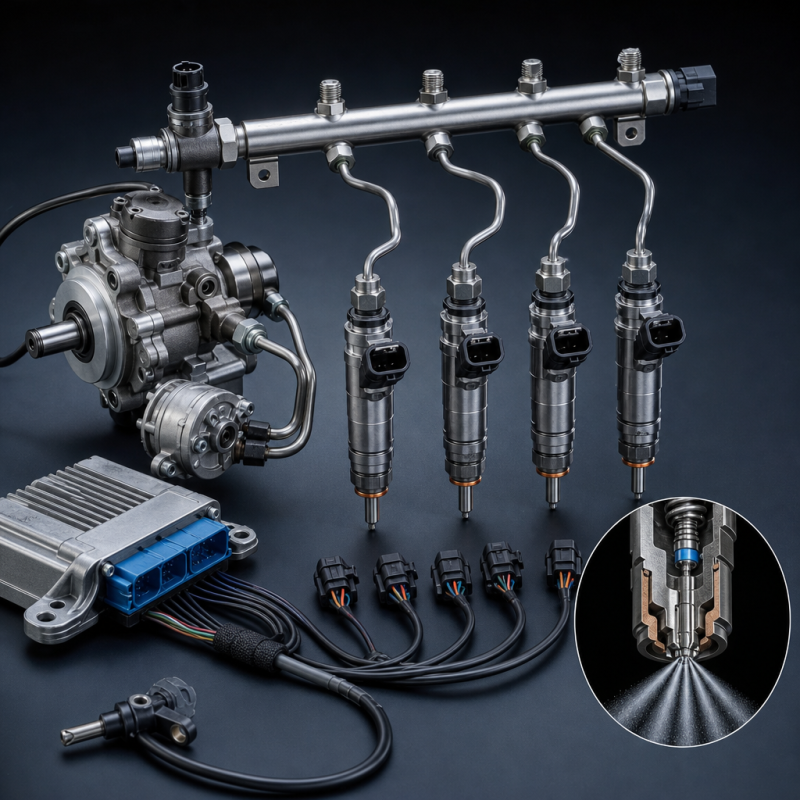
Analyzing the engine at the microscopic level of thermodynamic cycles and precision control, the Mitsubishi S4Q2’s high thermal efficiency and durability are largely attributable to its ultra-high compression ratio of 22:1 and its advanced indirect injection (IDI) combustion system. During the compression stroke, the upward-moving piston intensely compresses the intake air, bringing its temperature and pressure to optimal levels; subsequently, a mechanical fuel injection pump delivers atomized fuel into a specially designed swirl pre-combustion chamber. Here, the fuel undergoes preliminary mixing and partial combustion before being rapidly injected into the main combustion chamber for complete, secondary combustion. This two-stage combustion mode not only ensures the maximum release of fuel energy but also results in a more gradual rate of pressure rise; this delivers robust transient torque while effectively mitigating the thermal shock and alternating stresses experienced by critical moving components such as the piston crown, piston pin, and connecting rod small end.
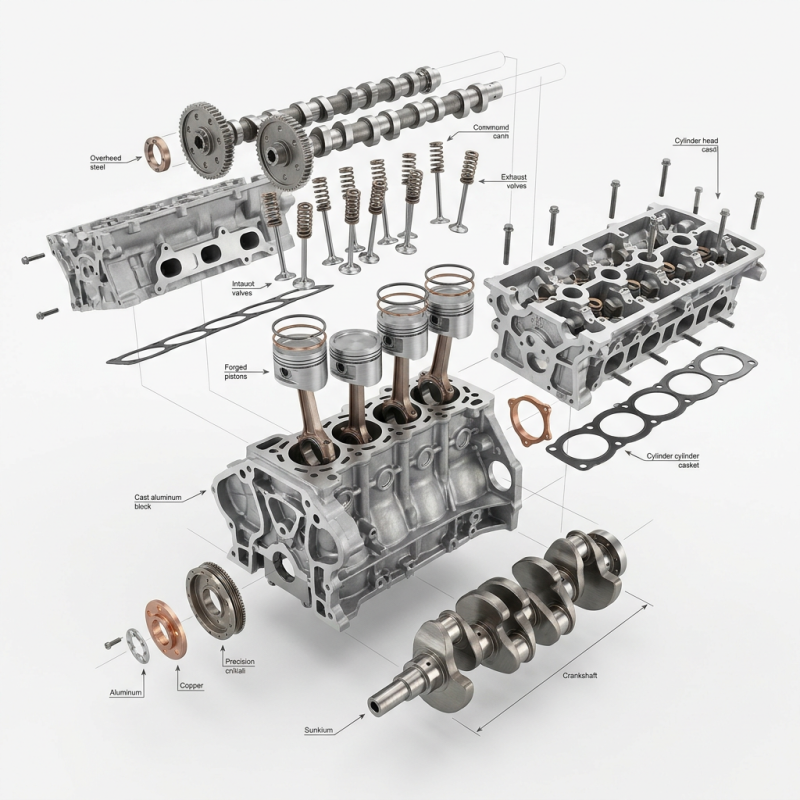
Given that the S4Q2 engine is widely utilized in small construction machinery operating under demanding conditions, peripheral and valvetrain components—such as the water pump, thermostat, oil pump, and valve guides—often require preventive replacement after several thousand hours of operation to maintain the proper circulation of the thermal management and lubrication systems. Jianming Machinery is dedicated to providing high-specification overhaul parts for S4Q2 users worldwide, including precision-cast pistons, high-temperature-resistant piston ring sets, alloy cylinder liners, and precision cylinder head gaskets. Manufactured to micron-level standards for material quality and dimensional tolerances, these parts are designed to perfectly restore the engine’s original compression ratio and sealing integrity, thereby preventing issues such as power loss, blue exhaust smoke, or oil dilution caused by premature cylinder wear or poor fuel atomization.
jianming machinery