Kubota Diesel Engines – Reliability, Maintenance, and Technical Excellence ⚙️

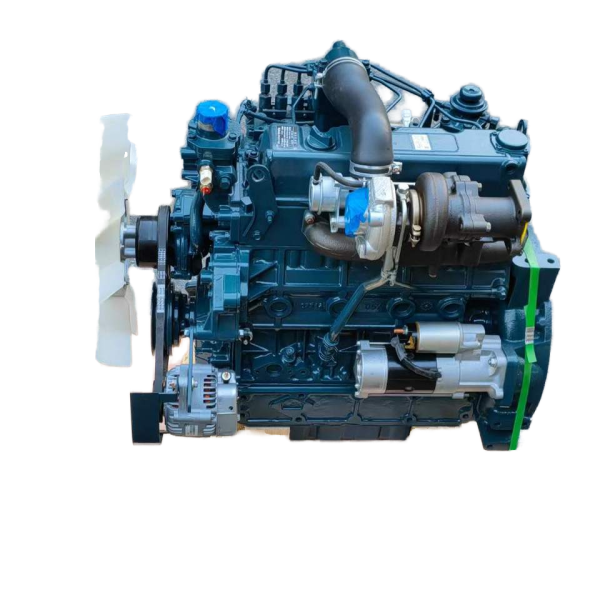
Kubota diesel engines are globally recognized for their compact design, fuel efficiency, and exceptional reliability. They are widely used in agricultural machinery, construction equipment, generators, and industrial systems. Built with precision Japanese engineering, Kubota engines are designed to deliver consistent performance and meet strict emission standards, such as EPA Tier 4 and EU Stage V. Proper maintenance not only extends engine life but also ensures smooth operation in demanding environments.
1. Engine Design and Core Advantages
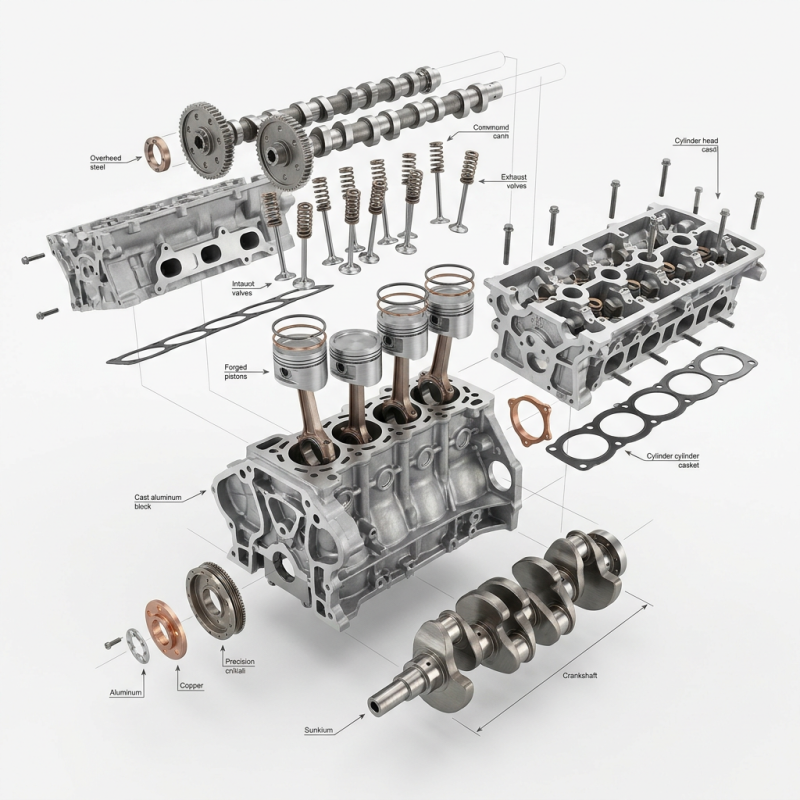
Kubota engines feature high-strength cast-iron blocks and precision-machined components, designed for durability and vibration control. The multi-cylinder configuration (commonly 3 or 4 cylinders) provides smooth operation with minimal noise.
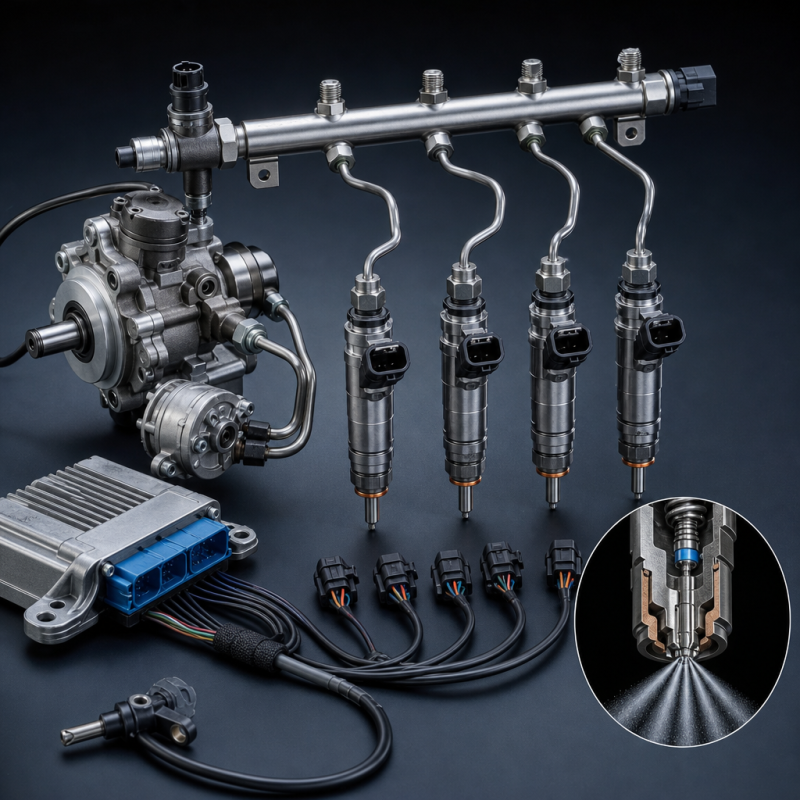
Advanced models such as the D1105, V1505, and V3800 utilize a direct fuel injection or common rail system, ensuring complete combustion and excellent torque across the operating range. Turbocharged variants like the V3800-T or V3800-CR-TI deliver higher output with better fuel economy. Kubota’s compact layout allows easy integration into tight engine compartments while maintaining excellent cooling and airflow characteristics.
These design strengths make Kubota engines ideal for equipment such as tractors, mini excavators, skid steers, and generators, where reliability and efficiency are paramount.
2. Maintenance Guidelines for Optimal Performance 🧰
Regular maintenance is key to ensuring long-term durability and consistent power output. Kubota recommends:
- Oil and Filter Changes: Replace engine oil and oil filter every 250–500 hours, depending on operating conditions. Use Kubota-approved lubricants to maintain optimal viscosity and reduce internal wear.
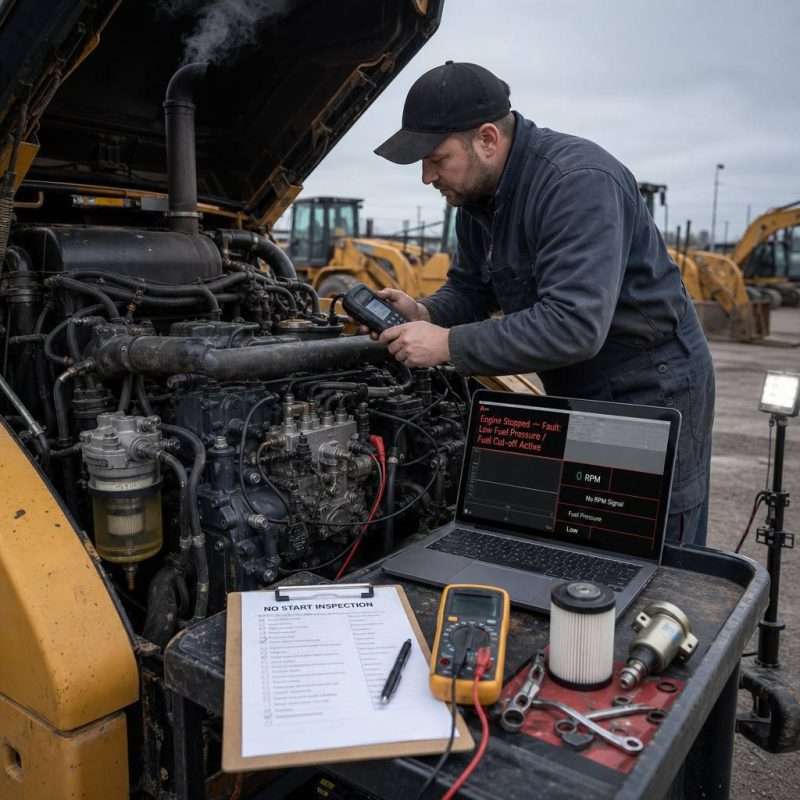
- Fuel System Care: Replace fuel filters regularly and drain water separators to prevent injector corrosion. Use clean diesel fuel to avoid contamination of the fuel injection system.
- Air Filter Maintenance: Inspect or replace the air filter element every 250 hours or when working in dusty conditions. Restricted airflow can cause incomplete combustion and power loss.
- Cooling System Checks: Regularly check coolant levels, radiator fins, and hoses to prevent overheating. Clean debris and ensure proper coolant concentration, especially in high-temperature regions.
Proper adherence to these intervals ensures your Kubota engine runs efficiently and minimizes unplanned downtime.
3. Fuel Efficiency and Emission Control ⛽🌿
Kubota has been a pioneer in developing environmentally responsible diesel technology. The engines employ E-CDIS (Three Vortex Combustion System) and Common Rail Electronic Control Systems that achieve optimal fuel atomization and complete combustion, significantly reducing soot and NOx emissions.
Additionally, models compliant with Tier 4 Final / Stage V regulations integrate Diesel Particulate Filters (DPF) and Exhaust Gas Recirculation (EGR) systems, further reducing emissions while maintaining high efficiency. These systems are designed for low maintenance and automatic regeneration, ensuring consistent performance without operator intervention.
Kubota’s focus on clean combustion and fuel optimization ensures low fuel consumption, contributing to both environmental protection and reduced operational costs.
4. Durability, Serviceability, and Parts Support 🔧
Kubota engines are renowned for their long service life and ease of maintenance. Their modular design allows quick access to service points such as oil filters, fuel filters, and valve covers. The timing gear-driven camshaft ensures synchronization accuracy and minimal wear compared to belt-driven systems.
The robust cooling and lubrication system reduces internal stress during prolonged operation. Routine valve clearance adjustments, belt inspections, and coolant checks further enhance reliability.
Kubota also provides global parts availability and technical support, ensuring that replacement components—such as injectors, pistons, cylinder heads, and turbochargers—are easily sourced and meet OEM specifications. This makes Kubota a preferred engine brand for equipment manufacturers worldwide.
5. Conclusion
Kubota diesel engines represent the perfect balance of power, efficiency, and longevity. Their advanced engineering, compact design, and low-emission technology make them suitable for a wide range of industrial, agricultural, and construction applications. Regular maintenance—covering oil, fuel, air, and cooling systems—ensures continuous, reliable performance under all working conditions.
👉 For information on Kubota engines, spare parts, or technical support, please visit jamiegz.com for expert solutions.