Diesel Engine Technology Innovation: How to Achieve a Balance Between High Performance and Low Emissions

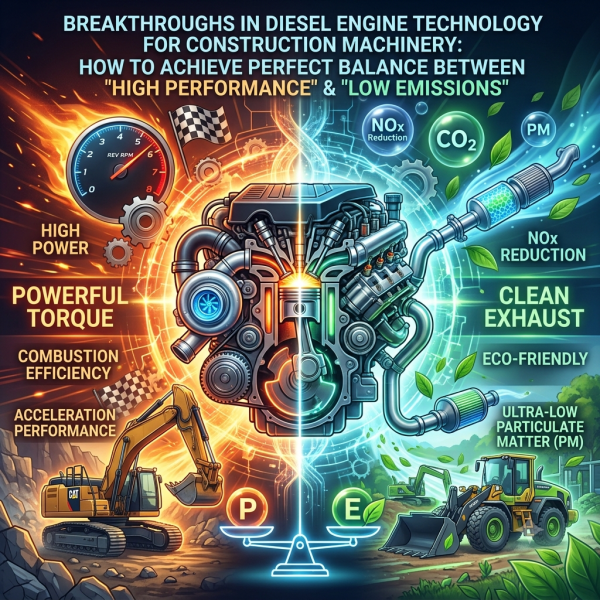
For a long time, diesel engines have been widely used in sectors such as heavy-duty trucks, construction machinery, agricultural equipment, marine vessels, and generator sets, thanks to their high thermal efficiency, robust low-speed torque, excellent fuel economy, and reliability. For equipment requiring prolonged continuous operation and heavy-load performance, diesel engines remain one of the most mature and stable power solutions available.
In recent years, against the backdrop of global energy conservation, emission reduction, and the push for green, low-carbon development, the diesel engine industry has entered a new phase of technological upgrading. While the rapid rise of new energy powertrains has subjected traditional diesel power to stricter environmental regulations and heightened market competition, diesel engines continue to offer significant overall advantages in applications such as heavy-load transport, mining machinery, port equipment, and large-scale industrial machinery.
Moving forward, the focus of diesel engine development will shift beyond merely boosting power output; instead, innovation will center on high efficiency, low emissions, intelligent control systems, and the use of low-carbon fuels.
Key Challenges Facing Diesel Engines
Increasingly Stringent Environmental Regulations
In recent years, major global markets have continuously raised emission standards—such as my country’s “National VI” (Guoliu) standard and stricter European regulations—placing higher demands on diesel engines.
Modern diesel engines must not only maintain strong performance but also effectively reduce emissions of nitrogen oxides (NOx), particulate matter (PM), and greenhouse gases. Consequently, improving combustion efficiency, optimizing fuel injection strategies, and integrating after-treatment technologies—such as Diesel Particulate Filters (DPF) and Selective Catalytic Reduction (SCR)—have become critical areas of industry development.
Market Competition from New Energy Powertrains
The continuous advancement of battery electric, hybrid, and hydrogen technologies has led to an increasingly diversified powertrain landscape.
New energy powertrains are seeing widespread adoption in sectors like urban logistics and public transportation, thanks to their advantages of lower operating emissions and reduced noise levels.
However, in applications requiring sustained high power output—such as long-haul transport, construction machinery, mining equipment, and marine vessels—diesel engines retain distinct advantages, including superior operating range, rapid refueling capabilities, and excellent adaptability to diverse environments.
In the future, diesel engines and new energy powertrains will increasingly complement each other to meet the varied demands of different applications. Users Increasingly Focus on Total Cost of Ownership (TCO)
For transport enterprises and equipment operators, the focus has shifted from mere power performance to the equipment’s total cost of ownership (TCO).
An engine’s fuel economy, maintenance costs, reliability, and service life directly impact operational efficiency. Consequently, enhancing overall equipment reliability, minimizing downtime caused by breakdowns, and reducing maintenance costs have become key objectives for continuous optimization among diesel engine manufacturers.
Key Technologies Driving Diesel Engine Upgrades
High-Pressure Common-Rail Fuel Injection Systems
Fuel injection technology directly influences a diesel engine’s combustion efficiency.
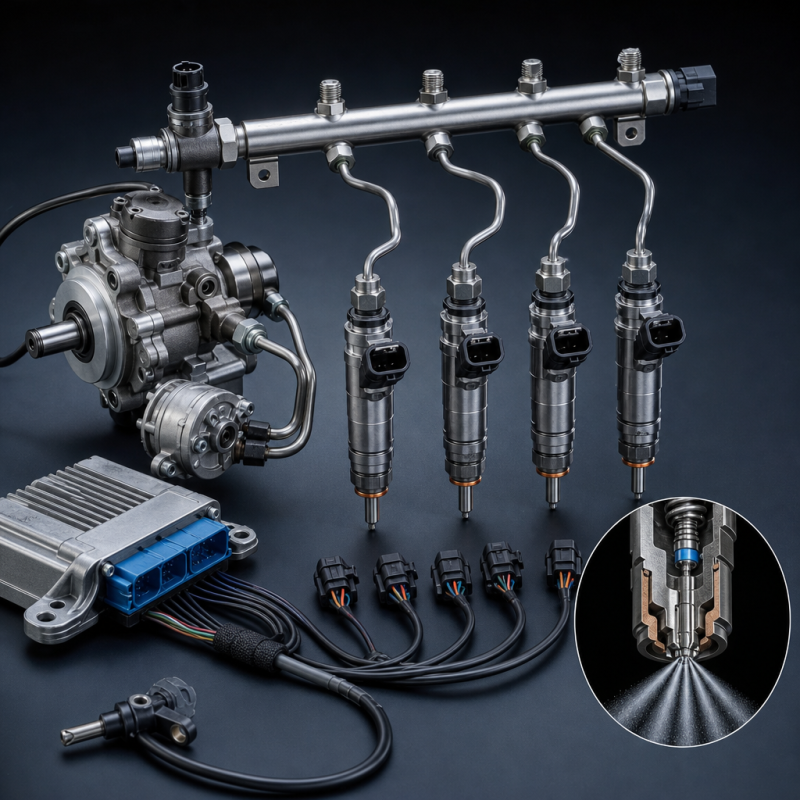
Modern high-pressure common-rail systems deliver higher injection pressures and enable more precise fuel control. When combined with multiple-injection technology, fuel is thoroughly atomized and mixes more uniformly with air; this boosts combustion efficiency and lowers fuel consumption while simultaneously reducing pollutant emissions.
As electronic control technology advances, the control precision of fuel injection systems will continue to improve.
High-Efficiency Turbocharging and Air Intake Management Technologies
Improving air intake efficiency is a crucial method for enhancing diesel engine performance.
Technologies such as Variable Geometry Turbocharging (VGT), two-stage turbocharging, and electric turbocharging are increasingly being applied to modern diesel engines.
These technologies allow for real-time adjustment of boost pressure based on engine load and speed. They effectively improve low-speed responsiveness and increase power output while reducing fuel consumption, ensuring stable and highly efficient engine operation.
Intelligent Electronic Control Systems
Modern diesel engines are rapidly evolving toward greater intelligence.
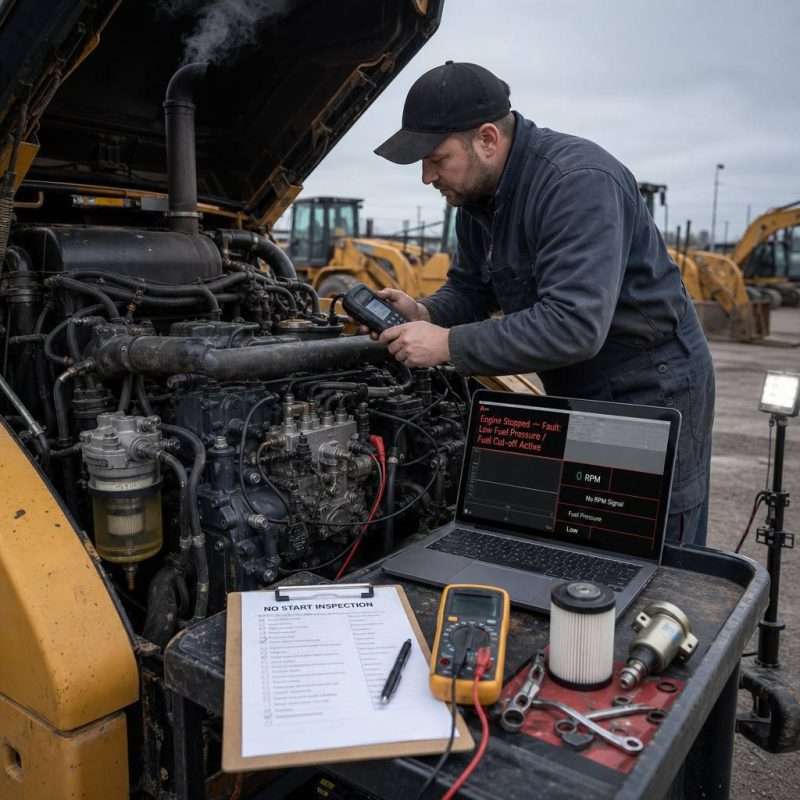
Through the coordinated operation of the Engine Control Unit (ECU) and various sensors, the system monitors temperature, pressure, fuel injection quantity, emissions data, and engine operating status in real time. It automatically optimizes control parameters based on different operating conditions, ensuring the engine consistently maintains peak operational efficiency.
Meanwhile, the application of remote diagnostics, predictive maintenance, and connected vehicle technologies helps users identify potential faults early, reduce repair costs, and improve equipment utilization rates.
Future Development Trends for Diesel Engines
Promoting Low-Carbon and Sustainable Fuels
As the industry works toward carbon reduction goals, low-carbon fuels will become a key focus for the future development of diesel engines. Alternative fuels—such as biodiesel, hydrotreated vegetable oil (HVO), and synthetic fuels (e-fuels)—can be utilized with minimal engine modification. They help reduce lifecycle carbon emissions while maintaining the power performance characteristic of diesel engines.
In the future, these green fuels are expected to see wider application in commercial transport and industrial equipment.
Lightweighting and Low-Friction Design
Lightweight design effectively improves fuel economy and power efficiency.
Future diesel engines will increasingly utilize high-strength lightweight alloys, novel composite materials, and advanced manufacturing processes to reduce overall engine weight while ensuring structural strength and durability.
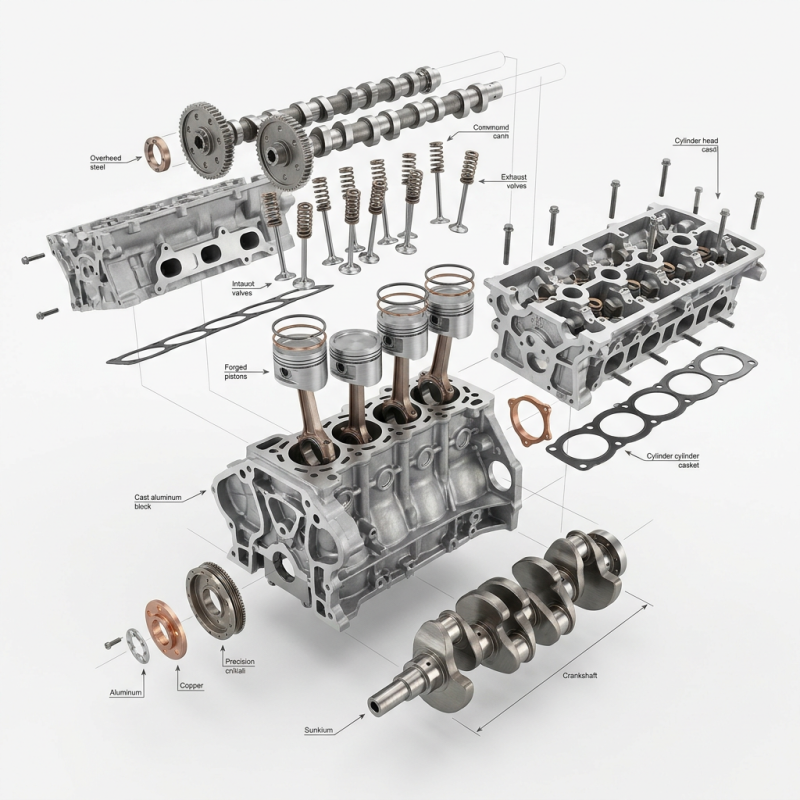
Furthermore, optimizing the friction characteristics of key components—such as pistons, crankshafts, and bearings—and employing advanced surface coating technologies can further minimize mechanical energy losses and enhance overall engine efficiency.
Continued Development of Diesel-Electric Hybrid Technology
The integration of diesel engines with electric drive systems is emerging as a key technological pathway for heavy-duty equipment.
Hybrid systems leverage the respective strengths of diesel engines—high efficiency and high torque—and electric motors, which offer rapid response. Electric motors provide power during low-speed operation and frequent stop-and-go scenarios, while diesel engines handle the primary power output during high-speed cruising or heavy-load transport.
This powertrain combination not only reduces fuel consumption and emissions but also further enhances operational efficiency.
Digitalization and Smart Connectivity
As Industrial Internet and Internet of Vehicles (IoV) technologies mature, diesel engines will benefit from more comprehensive digital management.
Through cloud platforms and remote communication technologies, users can access real-time engine operating data, fuel consumption information, maintenance records, and fault alerts, enabling remote equipment monitoring and intelligent operation and maintenance.
Digital management not only improves equipment management efficiency but also helps enterprises optimize operational decisions and reduce overall operating costs.
Looking Ahead
Despite the rapid and ongoing development of new energy powertrains, diesel engines will continue to play a vital role in sectors such as heavy-duty transport, construction machinery, agricultural equipment, marine vessels, and power generation.
Looking forward, continuous advancements in combustion technology, electronic controls, exhaust after-treatment, low-carbon fuels, and digital management will drive the evolution of diesel engines toward greater efficiency, lower emissions, increased intelligence, and enhanced sustainability. For the foreseeable future, diesel engines will remain a vital power source for modern industry and transportation, working alongside new energy technologies to build a more efficient, green, and diversified power system.
jianming machinery