Systematic Optimization of Engine Fuel Economy

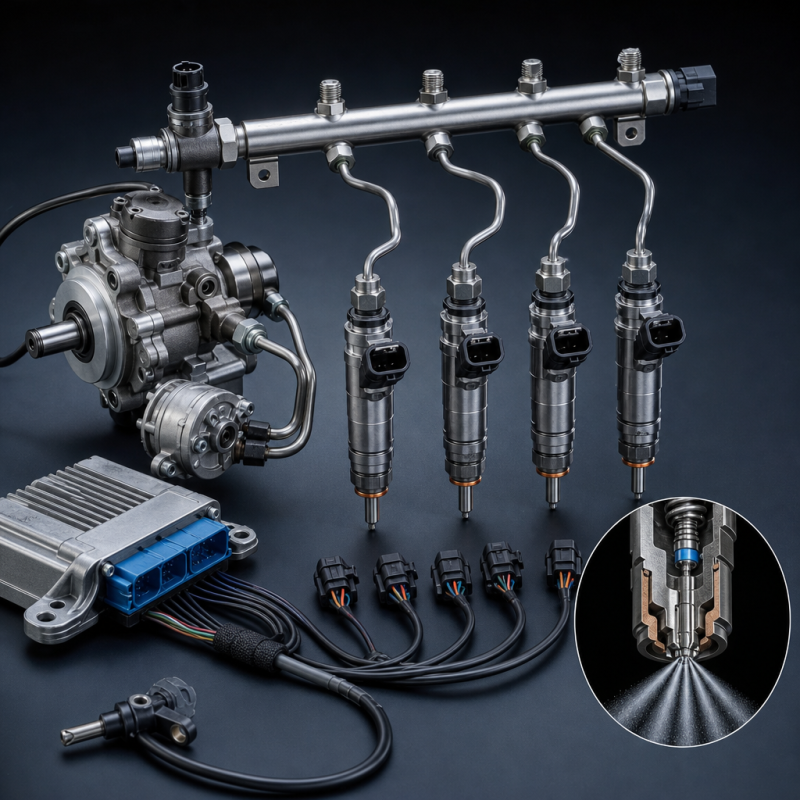
Reducing engine fuel consumption is a comprehensive engineering endeavor involving thermodynamics, fluid dynamics, and mechanical friction management; at its core lies the objective of enhancing the energy conversion efficiency of every drop of fuel within the combustion chamber. First and foremost, the cleanliness and volumetric efficiency of the intake system serve as the bedrock of fuel economy. If the air filter is heavily laden with dust, it increases intake resistance, forcing the engine to operate under fuel-rich conditions—a scenario that not only wastes fuel but also leads to the significant accumulation of carbon deposits. For industrial engines equipped with turbochargers, ensuring the agility of the turbocharger rotor and the heat dissipation efficiency of the intercooler is particularly critical, as high-density intake air facilitates more thorough atomization and oxidation of fuel within a high-temperature, high-pressure environment. The periodic replacement of high-standard fuel filters and fuel injector assemblies is indispensable, as the atomization quality of the injectors directly influences the flame propagation speed during combustion. Should an injector leak or become clogged, fuel will enter the cylinder in the form of liquid droplets; these droplets fail to contribute to effective work output yet simultaneously increase thermal losses through the exhaust. By precisely adjusting valve clearances and optimizing intake timing, it is possible to ensure that the engine achieves an optimal volumetric efficiency across its entire RPM range. This approach establishes a solid foundation for fuel reduction rooted in fundamental physical principles, and this relentless pursuit of mechanical precision represents the most direct pathway toward enhancing the overall thermal efficiency of the engine.
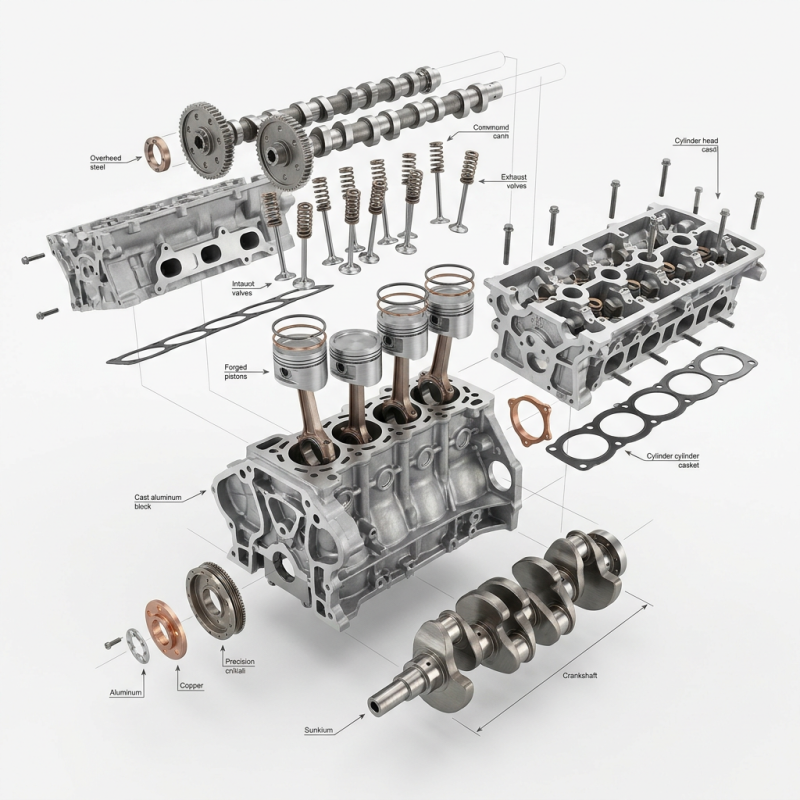
Reducing frictional power loss and applying scientific principles to thermal management constitute the other major pillar of achieving substantial engine fuel savings. This is particularly true in the context of heavy machinery engaged in prolonged operations, where even a marginal reduction in internal resistance can translate into significant fuel savings. The condition of the lubrication system directly impacts the frictional losses within critical moving components—such as pistons, crankshafts, and camshafts. Selecting high-quality engine oil that meets manufacturer specifications and possesses appropriate viscosity allows for the formation of a highly resilient protective film on metal surfaces, thereby effectively reducing mechanical resistance during reciprocating motion. Concurrently, the temperature control strategy employed by the cooling system also influences fuel consumption: if the engine operates at consistently low temperatures, it increases oil viscosity and degrades combustion conditions; conversely, overheating leads to a reduction in intake air density and can trigger engine knocking. By maintaining an efficient thermostat and a clean radiator, the engine can be kept within its “golden temperature” range of 85°C to 95°C; this ensures that material clearances remain in an ideal state, thereby minimizing unnecessary energy loss. Jianming Machinery is dedicated to providing global customers with critical components—such as low-friction piston rings, reinforced bearings, and high-efficiency water pumps—with the aim of reducing the wasteful dissipation of internal mechanical energy and converting a greater proportion of thermal energy into effective work output at the drive shaft. This systemic approach—spanning from wear control to thermal balance management—not only significantly lowers fuel consumption rates but also reduces equipment operating costs over its entire lifecycle.
Amidst the trends of digital industrialization, the Electronic Control Modules (ECMs) of modern industrial engines utilize real-time monitoring of oxygen sensors, knock sensors, and intake pressure data to dynamically adjust fuel injection volumes with microsecond precision, ensuring that the engine operates in an economical mode under any load condition. Consequently, maintaining the cleanliness and sensitivity of various electronic sensors—along with timely updates to ECM calibration software—can effectively prevent excessive fuel injection caused by signal deviations. Furthermore, operational management is equally critical; for instance, minimizing unnecessary periods of prolonged idling is essential, as the low combustion efficiency inherent to idling not only results in the wasteful consumption of fuel but also exacerbates carbon buildup within the cylinders.