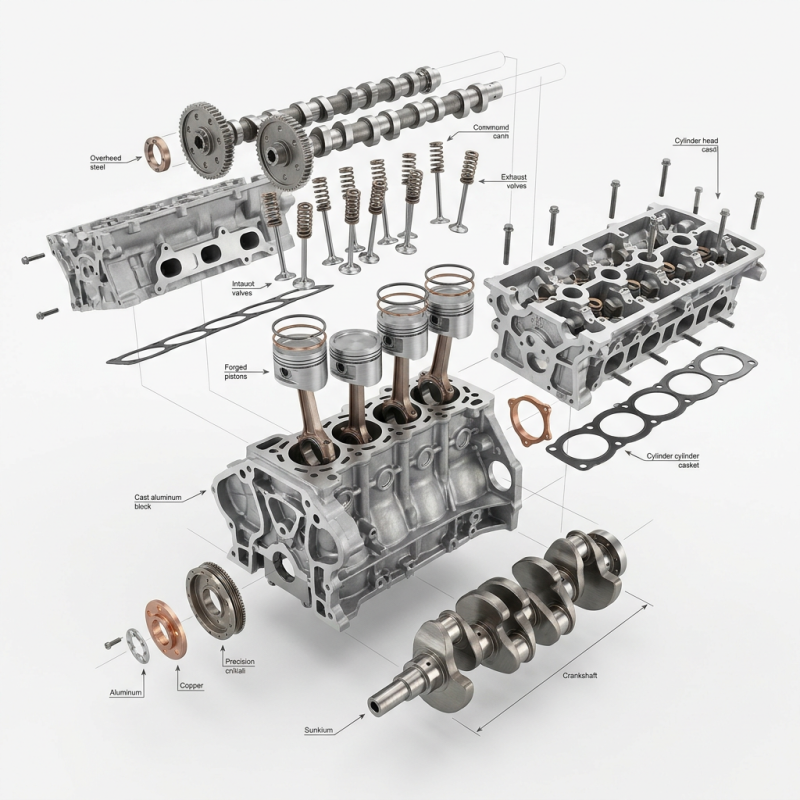
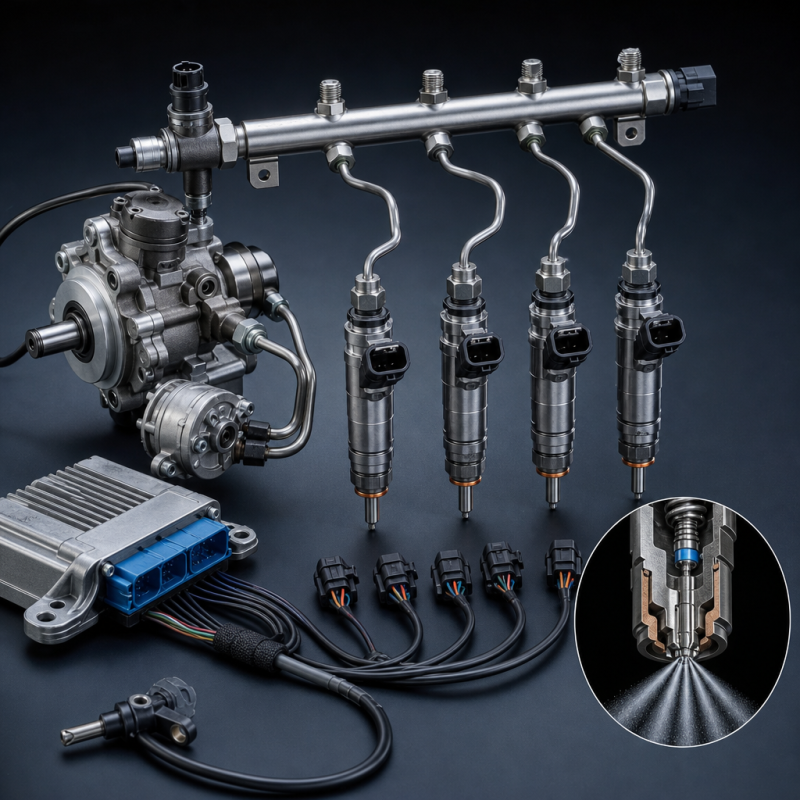
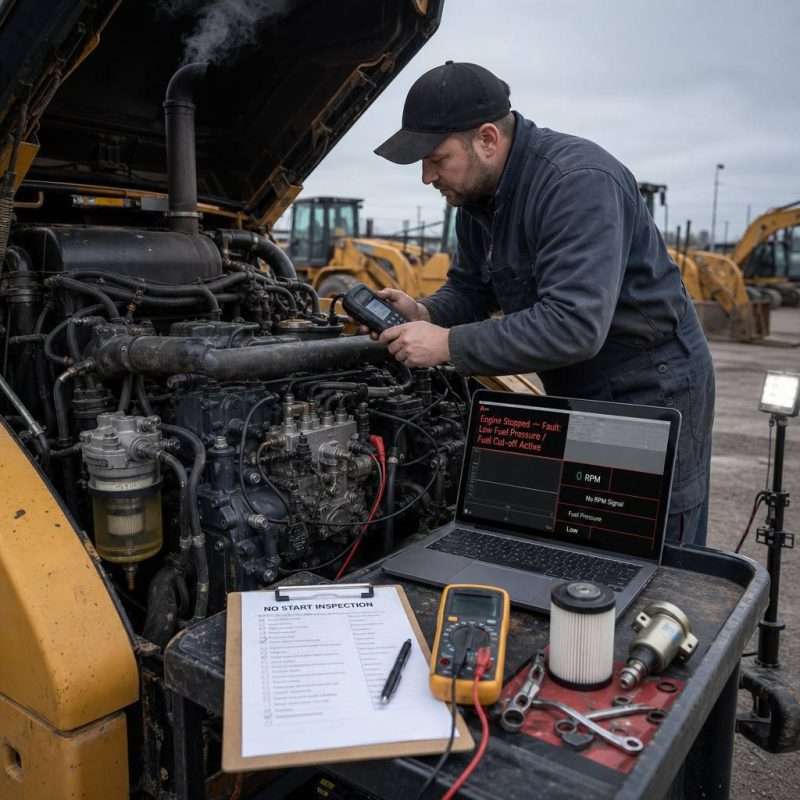
Turbocharged vs Naturally Aspirated Diesel Engines – Key Differences and Performance Insights ⚙️

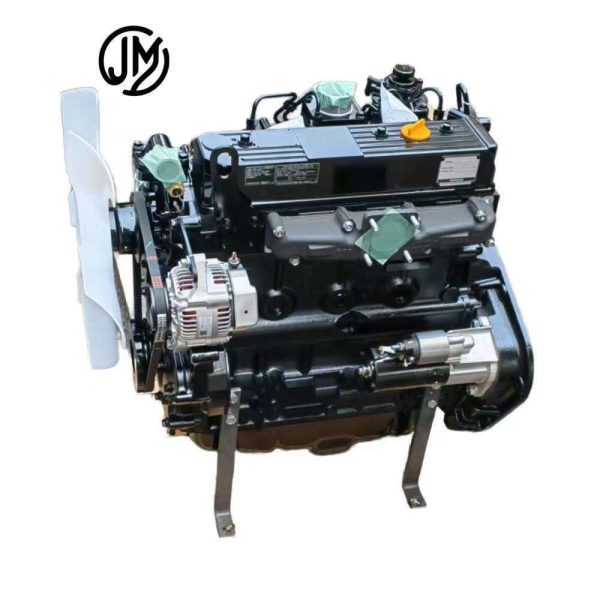
Diesel engines play a vital role in construction machinery, agricultural equipment, and power generation systems. Among the most significant distinctions in modern engine technology is the difference between turbocharged engines and naturally aspirated (non-turbo) engines. Understanding how these two systems work—and their respective advantages—helps operators choose the best engine for performance, fuel economy, and long-term reliability.
1. What Is a Turbocharged Engine? 💨
A turbocharged engine uses a turbine-driven compressor powered by exhaust gases. The turbine compresses incoming air before it enters the combustion chamber, allowing more oxygen to mix with fuel. This process enables higher power output from the same engine displacement.
In diesel applications, turbocharging improves torque, acceleration, and fuel efficiency, especially under heavy loads. For example, engines like the Cummins QSL9, Deutz BF6M1013, and Kubota V3800-T utilize advanced turbocharging systems with intercoolers to reduce air temperature and increase combustion efficiency.
Benefits of turbocharged engines include:
- Higher horsepower and torque output.
- Improved fuel efficiency under load.
- Better performance at high altitudes.
- Compact size with greater power density.
However, turbocharged engines require more precise maintenance, particularly in oil supply, cooling, and air filtration, since the turbocharger operates at extremely high speeds (often over 100,000 rpm).
2. What Is a Naturally Aspirated Engine? 🌿
A naturally aspirated engine (non-turbo) draws air into the cylinders without forced induction. Air enters purely due to atmospheric pressure during the intake stroke. These engines are simpler in design, with fewer components and lower operating stress.
Naturally aspirated diesel engines, such as Isuzu 4JB1, Kubota D1105, or Perkins 403D series, are known for their stability, simplicity, and long service life. They are widely used in light-duty agricultural equipment, small generators, and forklifts where constant, moderate power is sufficient.
Advantages of naturally aspirated engines include:
- Simple structure and easier maintenance.
- Lower initial and repair costs.
- Longer lifespan under moderate operation.
- More consistent performance in low-load applications.
However, they typically produce less power and lower torque, which limits performance in heavy-duty or high-altitude environments.
3. Key Technical Differences ⚙️
The fundamental difference lies in air intake and combustion efficiency. Turbocharged engines compress air to improve combustion, while naturally aspirated engines rely solely on ambient air pressure.
- Air Intake Pressure: Turbo engines reach intake pressures over 1.5–2.0 bar; naturally aspirated engines stay near 1.0 bar.
- Fuel Combustion: Turbo systems burn fuel more completely, increasing energy conversion efficiency.
- Cooling Requirements: Turbocharged engines generate more heat, requiring stronger cooling systems.
- Lubrication Demands: Turbochargers rely on high-quality engine oil; poor lubrication may cause bearing failure.
- Maintenance Complexity: Naturally aspirated engines are simpler and more forgiving to maintain.
This makes turbocharged engines ideal for high-power, heavy-duty applications, while naturally aspirated engines remain reliable choices for light, continuous operation.
4. Application Comparison 🏗️
- Turbocharged Engines: Common in large excavators, generators, trucks, and construction machinery such as Cummins QSB6.7, Deutz TCD6.1, and Doosan DL08. These engines provide high output and torque, suitable for operations requiring strong pulling power or continuous load.
- Naturally Aspirated Engines: Often used in small tractors, air compressors, and marine auxiliary units like Kubota D1105, Isuzu 4JB1, and Perkins 404C series, where reliability and simplicity are more important than raw power.
In modern industrial design, many manufacturers now favor turbocharged diesel engines due to stricter emission standards and fuel efficiency goals. However, naturally aspirated engines still have their place in low-maintenance or cost-sensitive applications.
5. Conclusion
Both turbocharged and naturally aspirated diesel engines have their strengths. Turbocharged models offer higher power density, better efficiency, and strong torque, making them ideal for heavy-duty and high-performance equipment. Naturally aspirated engines, in contrast, provide simpler operation, longer service life, and lower maintenance costs, perfect for light-duty or small machinery.
Choosing between them depends on your operational needs, workload intensity, and maintenance capability. Understanding these differences ensures that your equipment runs efficiently and reliably in any environment.
👉 For information on diesel engines, spare parts, or technical support, please visit jamiegz.com for expert solutions.