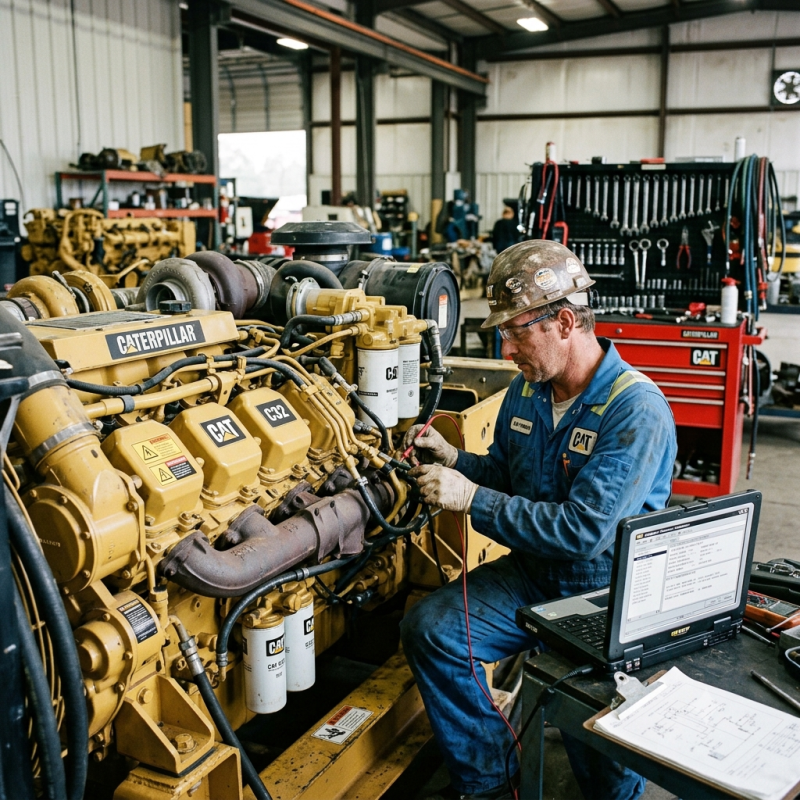
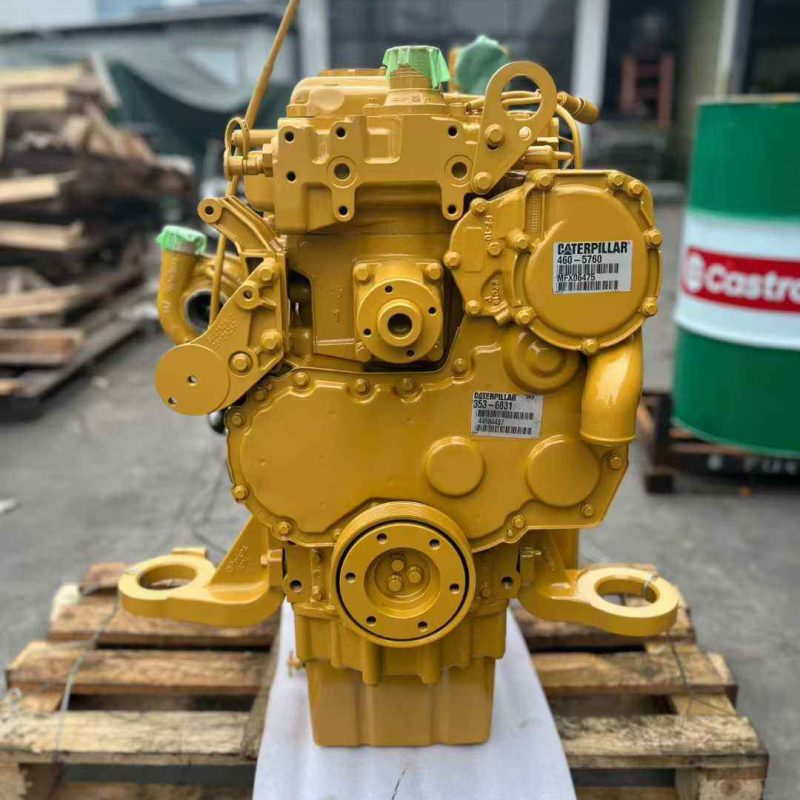
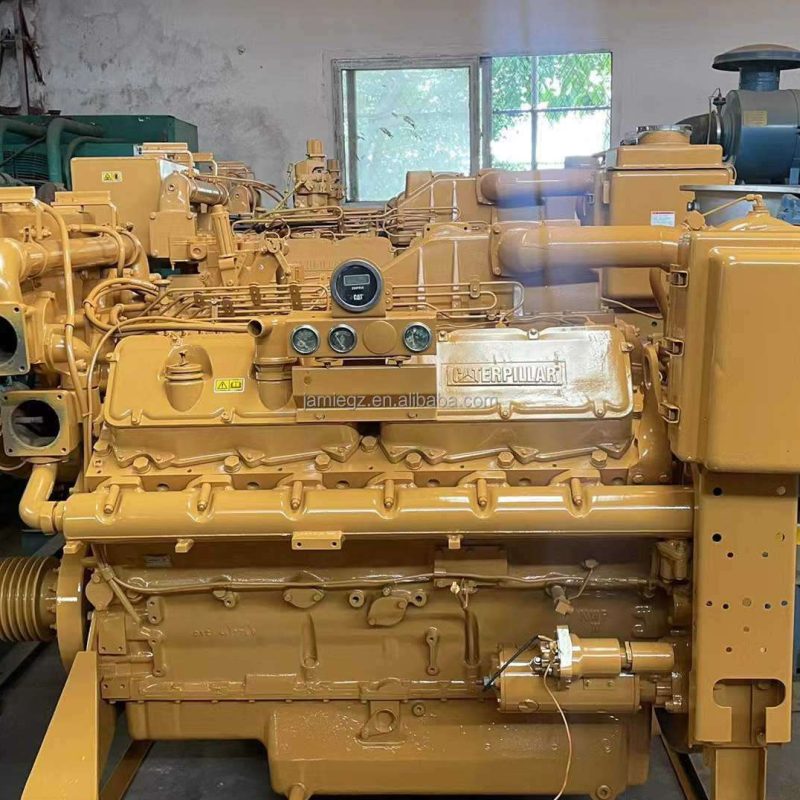
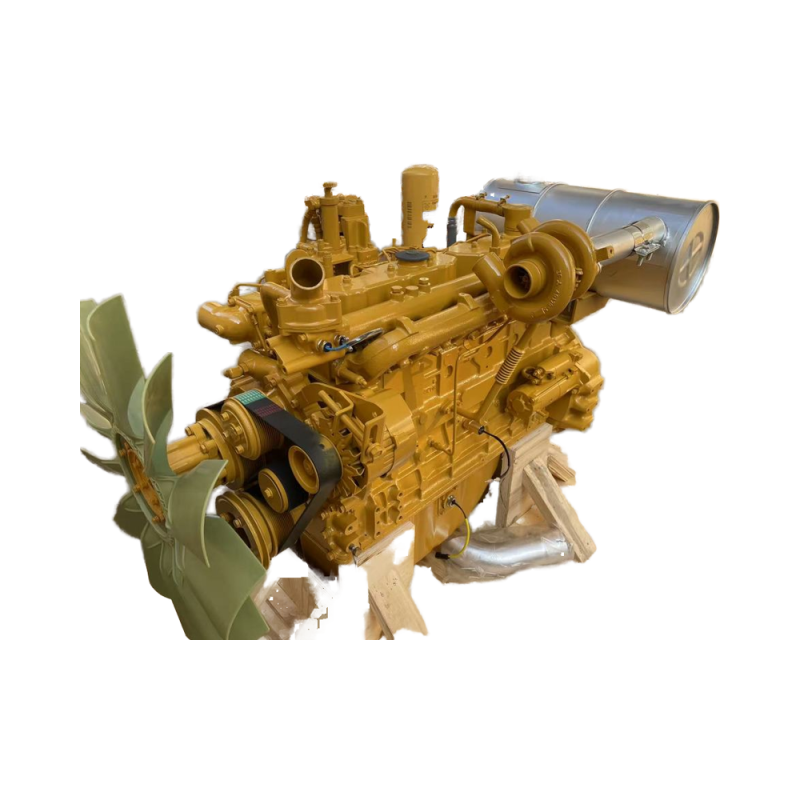
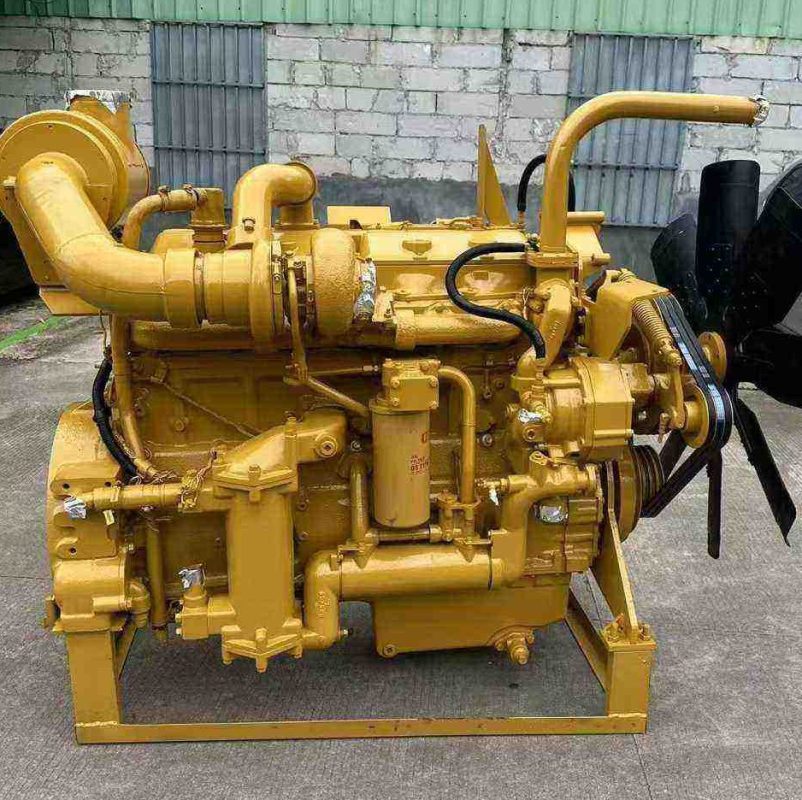
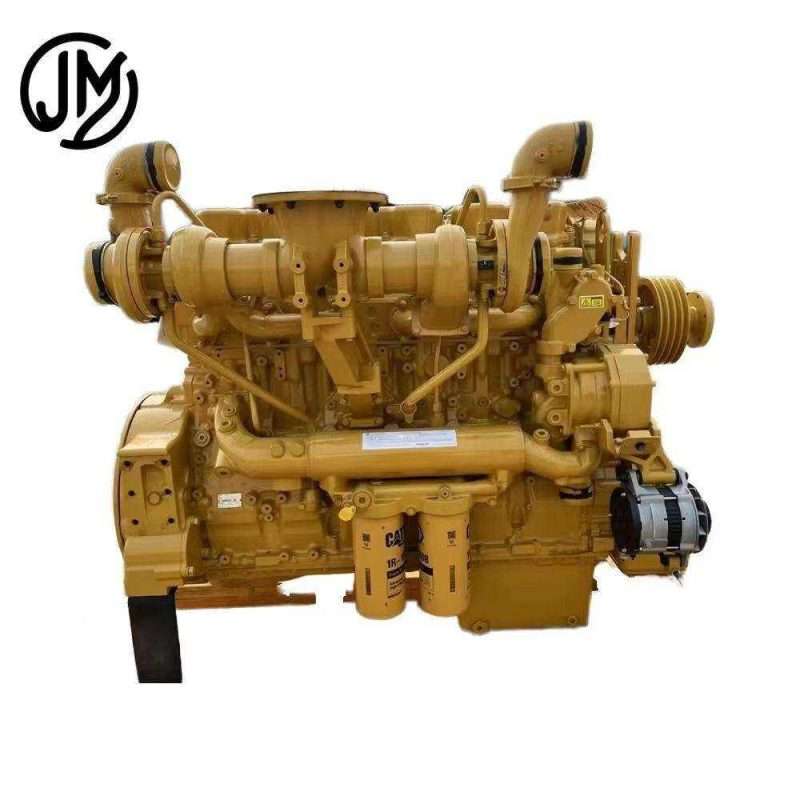
Caterpillar C9.3 Engine: A New Generation Heavy-Duty Diesel Engine ⚙️🔥


The Caterpillar C9.3 engine is a comprehensive upgrade of the C9 platform, meeting higher emission standards while maintaining heavy-duty reliability, and simultaneously reducing unit fuel consumption and total lifespan costs.
It’s not simply a matter of increasing displacement; rather, it represents a systematic evolution by CAT in combustion efficiency, electronic control, and after-treatment systems, and is widely used in next-generation construction machinery and industrial power equipment.
Engine Parameters and Technical Specifications
Engine Model: Caterpillar C9.3
Structure: Four-stroke, inline six-cylinder
Displacement: 9.3 L
Intake Method: Turbocharged + Air-to-Air Intercooling
Rated Power Range: Approx. 250 – 450 HP (depending on calibration)
Maximum Torque: 1,700 – 2,000+ N·m
Rated Speed: 1,800 – 2,100 rpm
Fuel System: High-Pressure Common Rail (HPCR)
Cooling Method: Water Cooling
Lubrication System: Full-Pressure Forced Lubrication
Emission Standard: Tier 4 Final / Stage V (depending on configuration)
Summarize the parameters and characteristics in one sentence: Larger displacement, earlier and more stable torque, and better fuel economy.
Combustion System and Emission Strategy
The core change in the C9.3 lies in the combustion system and after-treatment combination.
Compared to the older C9’s HEUI system, the C9.3 employs a high-pressure common rail system, offering higher injection pressure and more precise control, achieving efficient combustion even at low engine speeds.
In terms of emissions control, the C9.3 typically uses a combination of DOC + DPF, SCR (urea), and EGR for coordinated control.
This approach allows it to meet stringent emissions regulations without significantly sacrificing power output, a key reason for the C9.3’s widespread acceptance in engineering projects.
Power Characteristics and Actual Performance
From a practical usage perspective, the C9.3’s advantages are highly engineering-driven:
High torque output at low speeds, reducing frequent acceleration and deceleration.
Good transient response, suitable for impact loads such as loading and excavation.
More stable thermal management, less prone to overheating under prolonged high loads.
Durability and Maintenance Logic
Although the C9.3 has a higher degree of electronic integration, CAT has retained the “heavy-load redundancy” approach in its structural design:
Reinforced cylinder block and crankshaft.
Optimized piston cooling oil passages.
More efficient cooling circuit design.
Under normal maintenance conditions, the C9.3’s overhaul cycle can still reach the 15,000-hour level.
It is important to note that: Fuel quality, urea quality, and DPF maintenance are key variables affecting lifespan.
Typical Applications
Caterpillar C9.3 engines are primarily used in:
Medium and large excavators
Wheel loaders
Graders
Road rollers
Engineering diesel generator sets
Industrial power and mining equipment
Especially suitable for projects with stringent emission requirements and no compromise on power.
Jianming Machinery – CAT C9.3 Engine and Component Solutions 🌍
Jianming Machinery offers complete Caterpillar C9.3 engines, used original equipment engines, assemblies, and a full range of spare parts, covering high-pressure common rail systems, turbines, aftertreatment components, and overhaul solutions. We also support engineering selection, export fitting, and technical support.