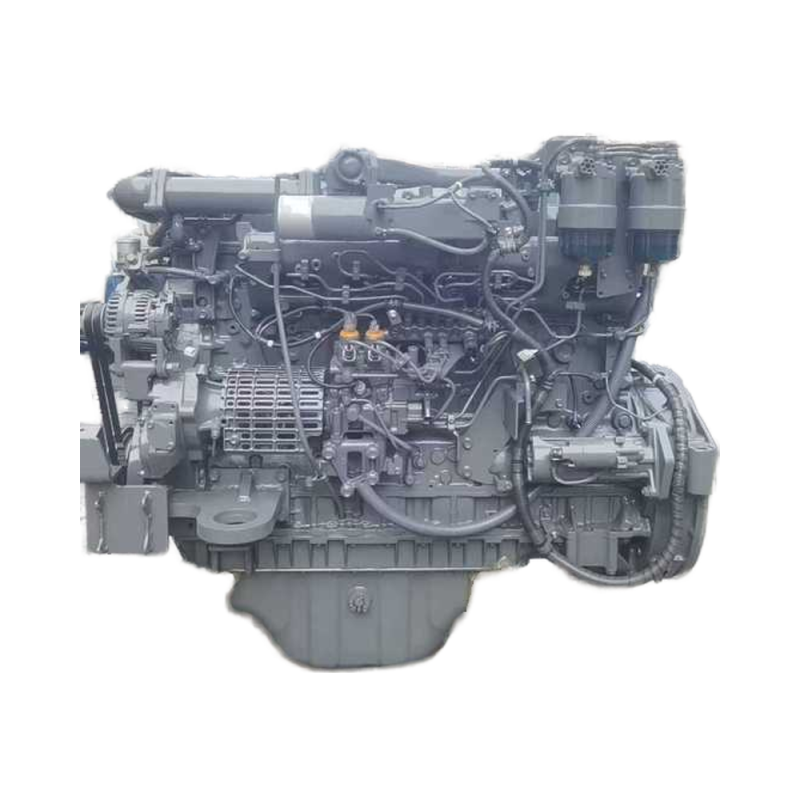
Isuzu 4JG2 Diesel Engine Industrial-grade Four-Cylinder Diesel Platform


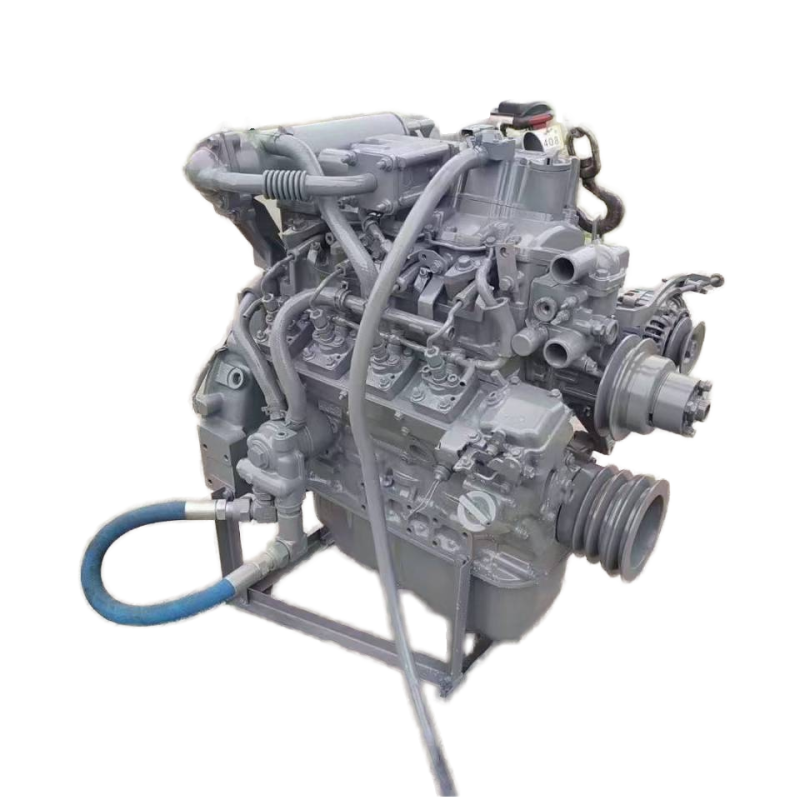
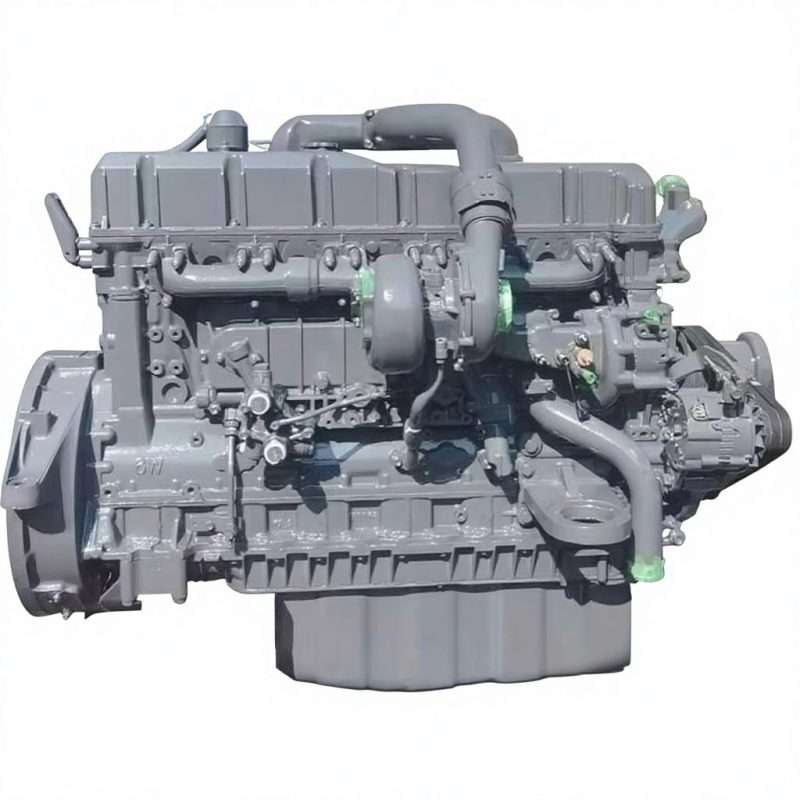
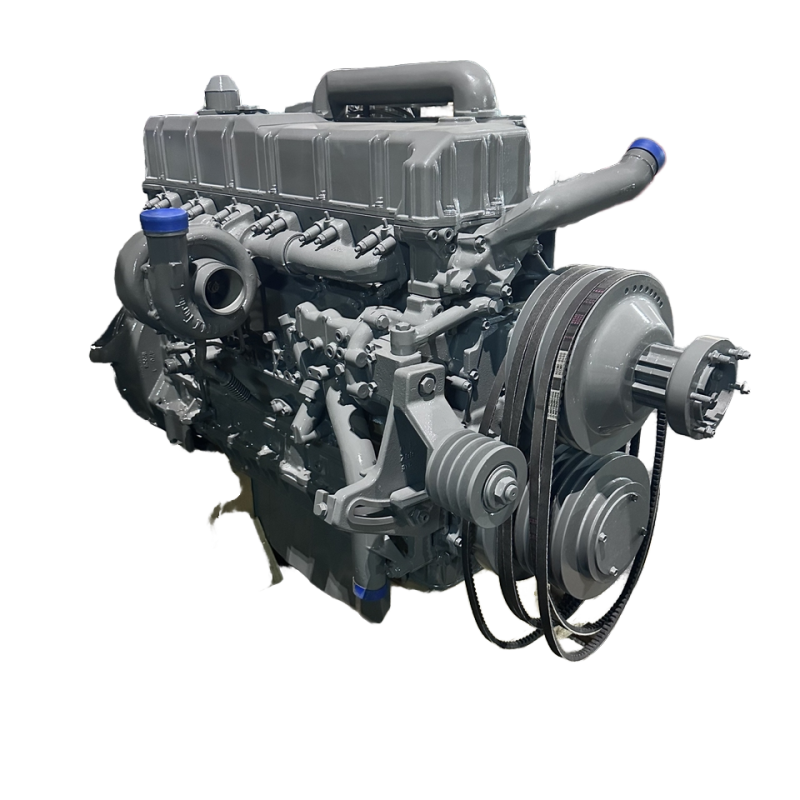
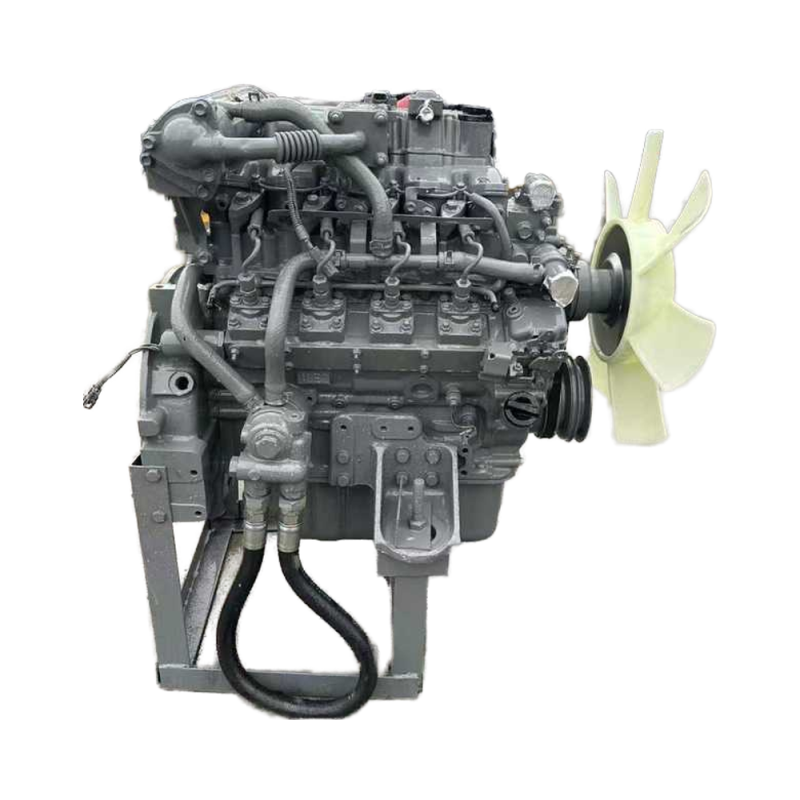
The Isuzu 4JG2 engine is a 3.1L inline four-cylinder four-stroke diesel engine, a mid-cycle upgrade of the Isuzu J-series diesel engines. Compared to the 4JG1, the 4JG2 features systematic optimizations in combustion efficiency, torque output, and emission control, while retaining its core advantages of reliable mechanical structure, adaptability to complex operating conditions, and a mature maintenance system. It is widely used in light commercial vehicles, engineering equipment, and industrial power systems.
The 4JG2’s engineering positioning is very clear: to improve power density and operational smoothness without significantly increasing system complexity, while simultaneously improving emissions performance to meet the demands of higher intensity and longer operating periods.
Engine Configuration and Key Parameters
From a structural and parameter perspective, the 4JG2 still belongs to the mid-displacement industrial-grade four-cylinder diesel platform:
Engine Model: Isuzu 4JG2
Engine Type: Inline 4-cylinder, 4-stroke diesel
Displacement: 3.059 L
Bore × Stroke: 95.4 mm × 107.0 mm
Compression Ratio: approx. 18.5:1
Aspiration: Naturally aspirated / Turbocharged (4JG2-T)
Rated Power: 70–95 kW (≈ 95–130 hp)
Maximum Torque: 250–320 N·m
Rated Speed: 3,200–3,600 rpm
Fuel System: Mechanical fuel injection pump
Cooling System: Pressurized water cooling
Lubrication System: Full-pressure Lubrication
Emission Standard: Euro II / early Euro III (depending on version)
This parameter range demonstrates that the 4JG2 possesses higher effective output capability within its displacement platform, while maintaining good mechanical safety margins.
Combustion System and Power Characteristics
The 4JG2 features an optimized combustion system, including combustion chamber shape, injection timing, and injection quantity control, resulting in more complete combustion and higher thermal efficiency. In the turbocharged version, low-speed torque output is significantly improved, and the engine performs more stably under heavy-load starts and sustained load conditions.
Overall power characteristics are: superior low-speed response compared to the 4JG1, more ample mid-to-high-speed power reserve, and a smoother output curve, making it suitable for applications requiring high power continuity and load stability.
Structural Design and Durability Considerations
In terms of structural design, the 4JG2 continues the J-series’ consistent durability principles. The cast iron cylinder block and cylinder head, high-strength crankshaft, and conservative thermal load design ensure that the engine maintains a low wear rate during long-term operation. Compared to the 4JG1, the 4JG2 offers improvements in NVH (noise, vibration, and harshness) control, making it more suitable for equipment platforms with certain comfort requirements.
Under proper maintenance conditions, the 4JG2 achieves a longer service life and stable operational reliability.
Maintenance Strategy and Lifecycle Cost
The 4JG2 retains a mature mechanical fuel injection system with clear maintenance logic and predictable failure modes. Its parts are highly interchangeable, exhibiting compatibility with the 4JG1 in several key components, reducing spare parts inventory and maintenance costs.
From a lifecycle cost perspective, the 4JG2 offers improved power performance without significantly increasing maintenance complexity, representing a well-balanced upgrade solution in terms of performance and economy. Its good power density and reliability make it suitable for users who require improved performance but do not wish to introduce complex electronic control systems.
Jianming Machinery – Isuzu 4JG2 Engine & Technical Support
Jianming Machinery provides complete Isuzu 4JG2 engines (new/used/refurbished) and a full range of spare parts, and supports selection consultation, maintenance solution development, and global logistics services.