


Deutz TCD4.1 four-cylinder diesel power unit

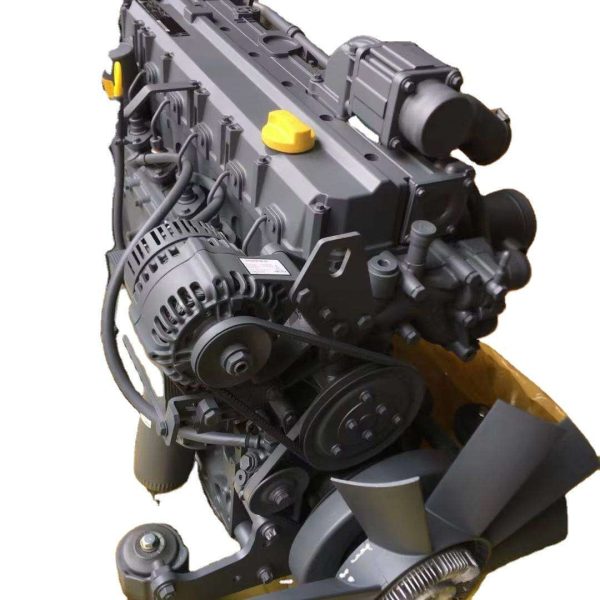
The TCD 4.1 is a new-generation mid-displacement four-cylinder electronically controlled diesel engine platform, with a displacement increased to 4.1L, positioning it significantly higher than 3.6L engines. The core objective of this platform is not simply to increase cylinder size, but to achieve higher sustained power output, stronger torque reserve, and better overall engine stability while meeting stringent emission regulations.
The TCD 4.1 employs an inline four-cylinder, water-cooled, turbocharged structure. Mainstream versions are equipped with an intercooler system and a high-pressure common rail fuel injection system. Compared to traditional mechanical injection platforms, this engine emphasizes the deep integration of electronic control systems and combustion management, enabling the engine to dynamically optimize injection strategies under different operating conditions, achieving more precise power output.
In terms of power characteristics, the core competitiveness of the TCD 4.1 lies in its high torque output capability in the low-speed range. The increased displacement provides a base torque advantage, allowing the engine to provide stable power support from the initial stages of load build-up. For medium to large hydraulic systems, this torque reserve translates to stronger resistance to load fluctuations and a smoother system operation.
The combustion system employs high-pressure common rail technology, with injection pressure and timing managed in real-time by an electronic control system. This results in more complete and controllable combustion, effectively improving fuel efficiency and reducing emissions. Maintaining industrial-grade reliability while meeting high emission regulations such as Stage V and Tier 4 Final is one of the core technological values of this platform.
Thermal management design is crucial for the long-term stable operation of the TCD 4.1. Higher displacement and higher output mean greater thermal load. By optimizing the cooling water channel layout, adding a high-efficiency intercooler system, and improving the oil cooling path, the engine can maintain a stable operating temperature under high ambient temperatures and continuous full-load conditions, reducing the risk of thermal fatigue.
In terms of structural strength, the TCD 4.1 adopts a high-rigidity cylinder block and reinforced crankshaft structure design. Even when operating in the high torque output range, the overall mechanical stress remains within a safe margin. The design prioritizes long-term durability rather than extreme lightweighting, meeting the priority requirements of engineering equipment for stability and reliability.
In terms of maintenance and lifecycle management, the TCD 4.1 adopts a modular design concept. The electronic control system, intake and exhaust systems, and cooling system are highly integrated. While increased electronics mean greater reliance on diagnostic equipment, the system’s self-diagnostic capabilities and fault identification accuracy are significantly improved, facilitating early risk assessment and optimized maintenance plans.
In terms of overall integration, the TCD 4.1 demonstrates high maturity in interface standardization and accessory compatibility, adaptable to various hydraulic pump systems, power generation systems, and industrial drive solutions. For OEMs, this platform allows direct access to high-emissions regulatory markets, reducing certification complexity and development cycles, making it a mature power solution for entering the European and American markets.
Typical application scenarios include: medium and large excavators, loaders, agricultural equipment, medium-to-high power generator sets, and industrial power units. The TCD 4.1 is particularly suitable for equipment types with stringent emission compliance requirements, requiring higher continuous output capacity and stronger torque reserves.
Overall, the Deutz TCD 4.1 is a 4.1L-class industrial diesel power platform with high emission compliance, high torque density, and structural durability as its core competitive advantages. It represents the technological path for industrial engines with high displacement to evolve towards higher efficiency and higher stability in the era of electronic control.
