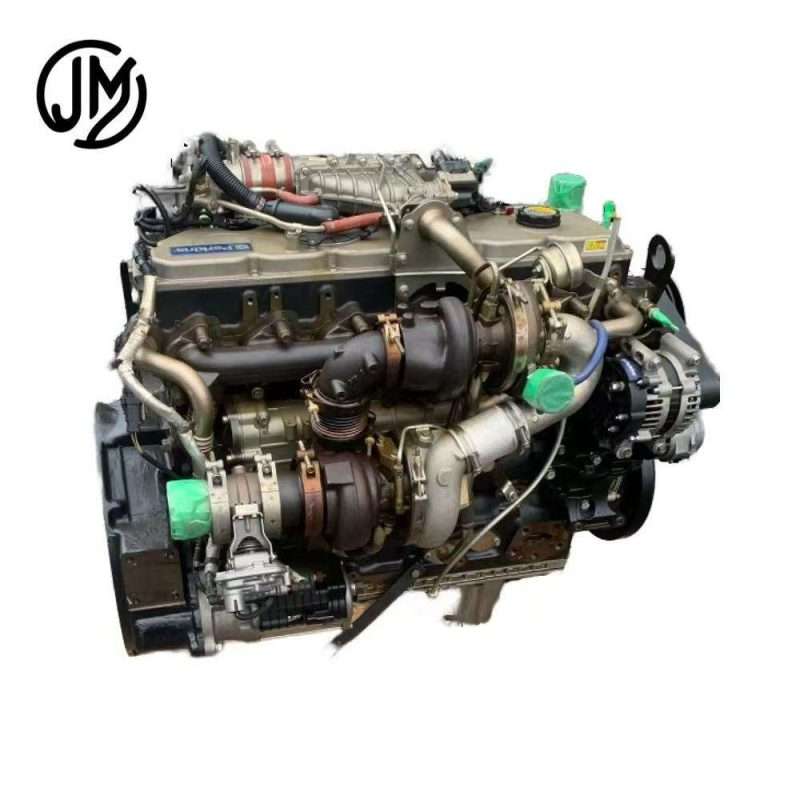
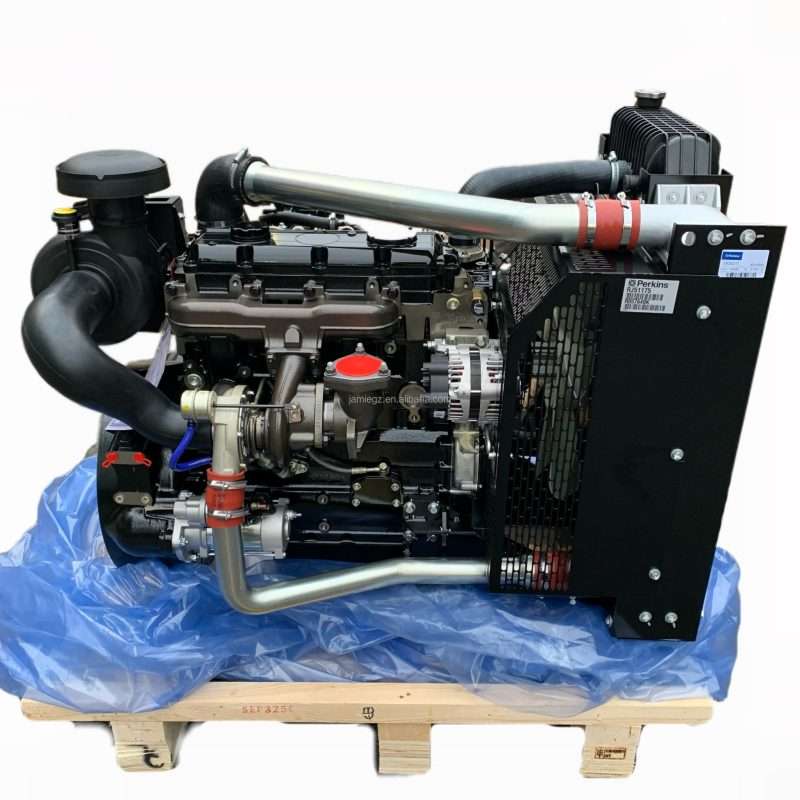
Perkins 1104C-44TA engine technical analysis

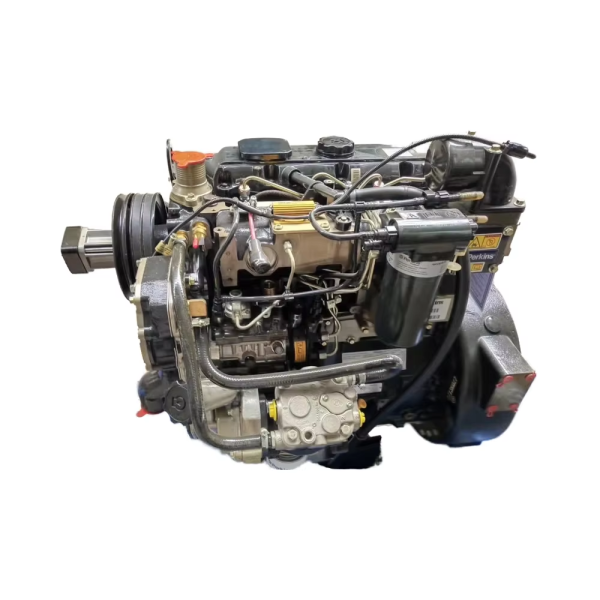
The Perkins 1104C-44TA Engine is a highly representative 4.4-liter, four-cylinder diesel engine widely utilized in the fields of construction machinery and agricultural equipment. From an engineering nomenclature perspective, “1104” signifies a four-cylinder platform within the 1100 Series; “C” indicates compliance with US EPA Tier 2 or EU Stage II emission standards; “44” defines its total displacement of 4.4 liters; and the suffix “TA” encapsulates the engine’s technical essence—specifically, the integration of exhaust gas turbocharging and air-to-air aftercooling. The core design philosophy behind this engine lies in achieving a harmonious balance between high power output and a compact physical footprint through meticulous management of air density. Thanks to its integrated aftercooling technology, the 1104C-44TA typically generates a net power output ranging from 74.5 kW to 97 kW (approximately 100–130 horsepower) at a rated speed of 2200 RPM, while its peak torque can easily exceed 500 Nm. This robust torque response establishes the engine as the vital heart of backhoe loaders, telehandlers, and medium-duty tractors, enabling it to rapidly build up power reserves via a boost compensation mechanism—even in the face of instantaneous hydraulic system loads—thereby maintaining the operational rhythm and continuity of the machinery.
Delving into the thermodynamic intricacies of its cycle, the operation of the 1104C-44TA is, at its core, a precise exercise in controlling intake air quality. As the exhaust gas turbocharger recovers energy from the exhaust stream and adiabatically compresses the intake air, it inevitably causes the air temperature to rise, thereby reducing the density of oxygen molecules. At this juncture, the air-to-air aftercooler plays a pivotal physical role; through a process of heat exchange between ambient cooling air and the high-temperature compressed air, it rapidly reduces the intake air temperature from over 150°C to approximately 50°C. This “cold contraction” effect significantly increases the oxygen content per unit volume, enabling the accompanying mechanical fuel injection pump to synchronize and increase fuel delivery based on feedback from the intake manifold pressure—ultimately facilitating a higher-energy-density chemical reaction within the combustion chamber. To withstand the intensified combustion pressures associated with its boosted output, the 1104C-44TA employs a heat-treated, reinforced cylinder head; pistons featuring integrated oil-cooling channels; and a high-performance Multi-Layer Steel (MLS) head gasket. Collectively, these structural components form a robust thermodynamic pressure vessel, ensuring that the engine maintains micron-level operational precision and structural integrity—even under extreme heavy-load conditions.
From the perspective of failure analysis and maintenance, the performance of the 1104C-44TA is critically dependent upon the physical sealing integrity and thermal exchange efficiency of its entire air intake path. Should the intercooler suffer from external blockage or develop minute cracks within its internal tubing, the engine will immediately exhibit symptoms of power fade due to thermal stress, emit black exhaust smoke, and experience an abnormal rise in Exhaust Gas Temperature (EGT). In severe cases, such conditions can lead to the catastrophic failure of the turbocharger bearings caused by overheating and oil coking. Furthermore, as this engine model predominantly utilizes the Delphi DP series mechanical rotary injection pump, it imposes exceptionally stringent requirements regarding the purity of the fuel system; even trace amounts of moisture or contaminants in the fuel can directly erode the hydrodynamic oil film protecting the system’s precision-machined components. Consequently, strictly adhering to the prescribed 500-hour oil change interval—along with regularly performing physical cleaning of the intercooler fins—is paramount to ensuring the sustained, long-term power output of this 4.4-liter engine. Only by fully grasping this integrated system logic—spanning the spectrum from “enhanced airflow density” to “thermal load management”—can one accurately diagnose the operational health of this precision-engineered industrial powerhouse in real-world working conditions by monitoring key parameters such as intake pressure and exhaust color.