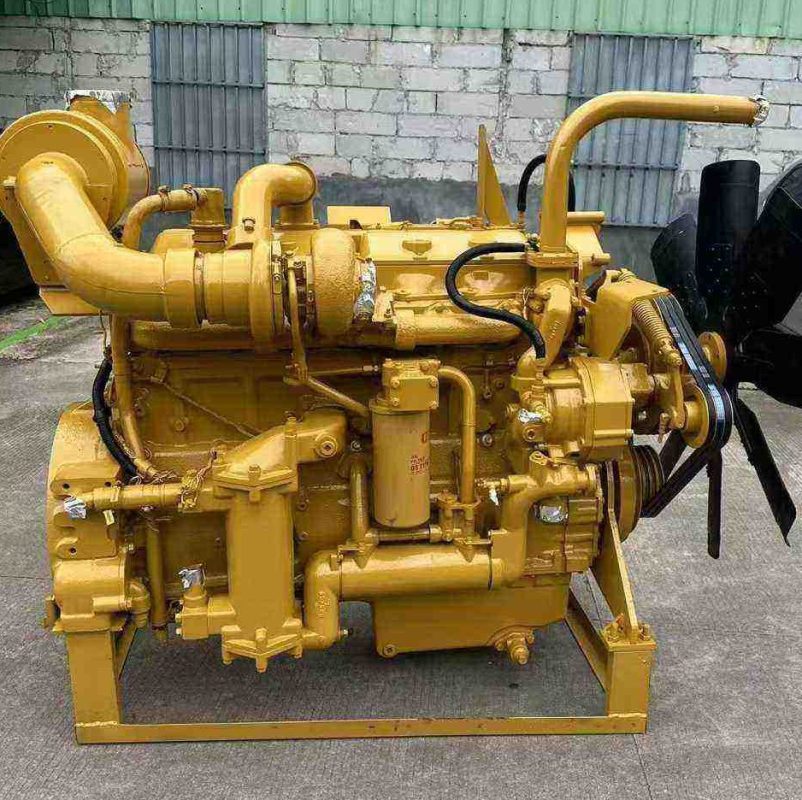
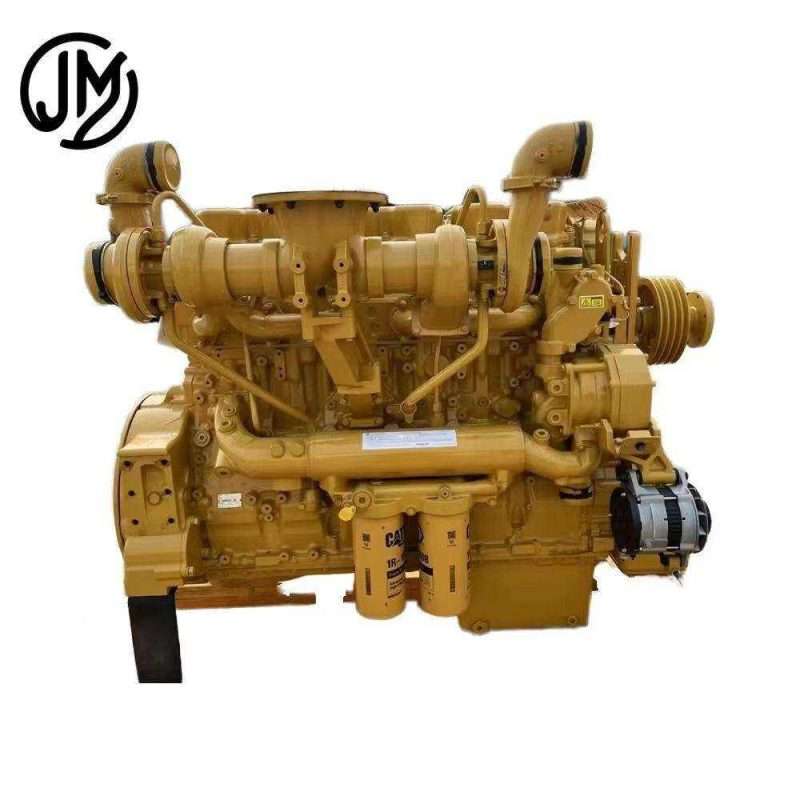
The Ultimate Caterpillar C18 Engine Maintenance Guide: Expert Tips for Extending Life and Boosting Performance

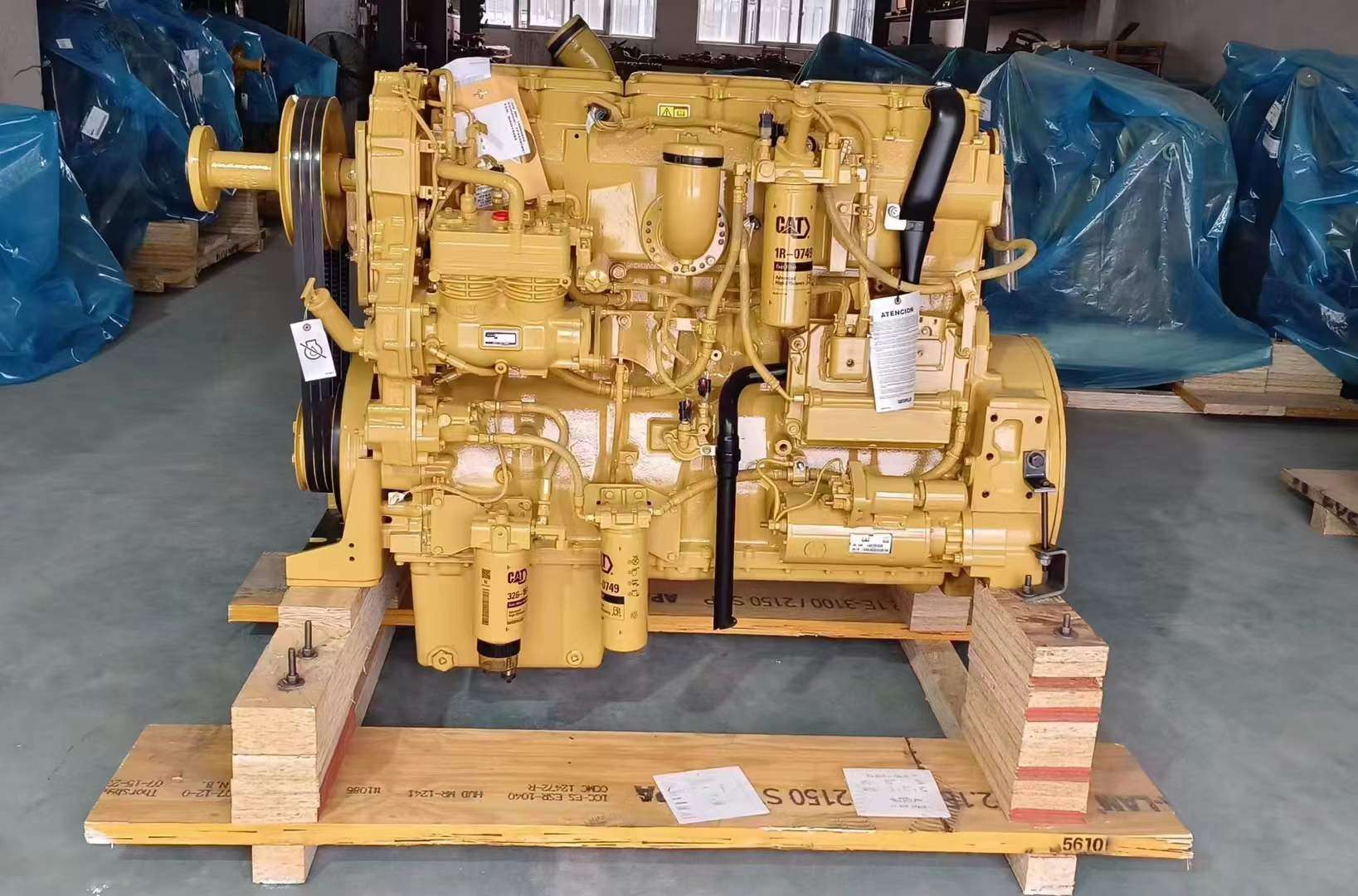
Regular, professional maintenance can extend your Cat C18 engine‘s overhaul interval to 30,000 hours, over 40% longer than with non-standard maintenance, significantly reducing total operating costs.
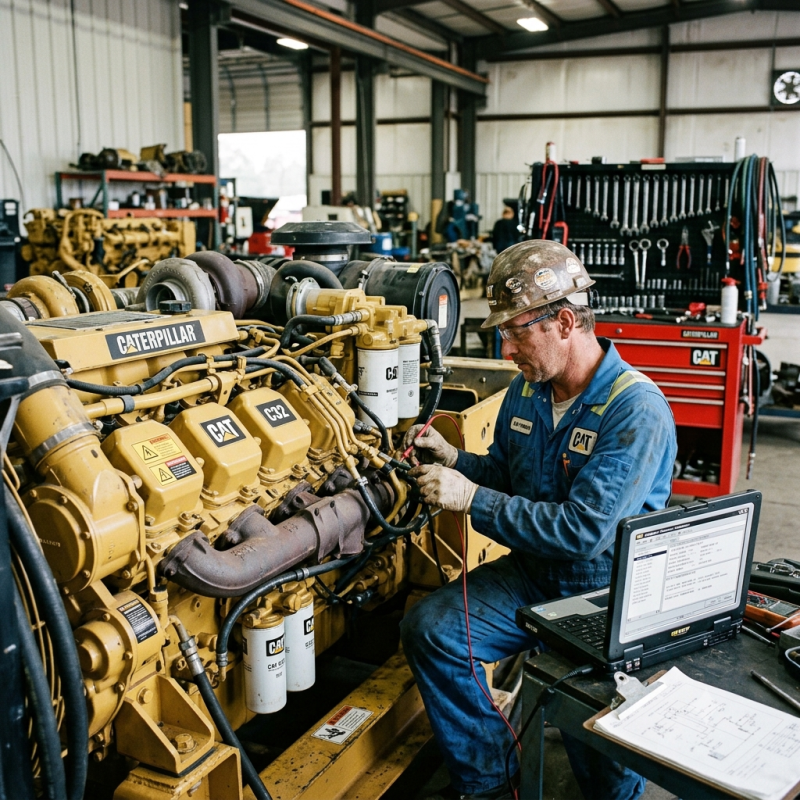
As a flagship product in the industrial power sector, the Cat C18 engine is widely used in generator sets, mining equipment, and marine power systems for its exceptional reliability and powerful performance. A sound maintenance plan not only prevents unexpected failures but also significantly improves the economic efficiency and service life of your equipment.
Core Maintenance Items and Cycle Planning
The engine oil and filter system is the engine’s “blood circulation system.” The C18 engine requires 15W-40 engine oil that meets the Cat ECF-3 standard. Under normal operating conditions, oil must be changed every 500 hours or 6 months (whichever comes first). If the equipment is exposed to high dust or high temperatures (above 40°C) for a long period of time, the interval should be shortened to 300 hours. Both filters must be replaced simultaneously with each oil change to prevent cross-contamination between the new and old filters.
Fuel system maintenance directly impacts engine power and economy. The standard diesel filter replacement interval is 1000 hours, but considering the characteristics of fuel in China, it is recommended to be shortened to 600-800 hours. The water-in-fuel sensor should be checked daily and manually drained if the instrument alarm sounds or every 500 hours. Long-term use of biodiesel (B20 and above) accelerates seal aging, requiring the fuel filter replacement interval to be shortened to 50% of the normal interval.
There’s a serious misconception about air intake system maintenance: Many operators habitually backflush the filter element with compressed air, which can permanently damage the micropore structure. The correct approach is to clean it from the inside out every 250 hours with low-pressure air (no more than 2 bar). Replace the filter after three cleanings. When operating in desert areas, the pre-filter’s cyclone dust valve must be manually drained after each shift.
Key Points for Professional Maintenance of Critical Systems
Cooling system maintenance is often overlooked, but it is crucial. Use Cat ELC Extended Life Coolant and maintain a concentration of 50% ± 5%. Completely change the coolant every three years or 12,000 hours, and check the coolant concentration and contamination levels monthly. Lubricate the water pump bearings with the specified extreme-pressure lithium-based grease every 2,000 hours to prevent premature damage.
Valve clearance adjustment is crucial to maintaining engine performance. Valve clearance must be checked and adjusted every 5,000 hours. Failure to do so will increase fuel consumption by 8%-12% and significantly reduce power. This operation requires specialized tools and specialized technicians.
Turbocharger maintenance requires special attention. Check the axial clearance every 3,000 hours. If noticeable movement is detected when pressing the impeller with your thumb, a major overhaul is required. Before shutting down the turbine, run the turbine at no load for three minutes to cool the bearings and prevent damage from high temperatures and oil starvation.
Common Troubleshooting and Prevention
Starting difficulties are often related to fuel system problems. Check the fuel filter for blockage and the fuel lines for leaks or air ingress. If there is air in the fuel lines, use a hand pump to bleed the fuel.
Lack of power may be caused by a blockage in the intake system. If the air filter pressure differential exceeds 25 kPa, replace it immediately. Oil contamination or damaged turbocharger blades can cause insufficient boost pressure.
Abnormal oil consumption requires special attention. If blue smoke is emitted from the exhaust, measure the cylinder pressure (normal value is 2.8-3.5 MPa). Piston ring misalignment or turbocharger oil seal failure are common causes.
Professional Maintenance Recommendations
Maintain a comprehensive maintenance log to strictly record each maintenance interval and execution.
Use genuine parts to ensure product quality and system compatibility.
Perform regular oil analysis to detect potential mechanical problems early.
Train professional operators to prevent premature damage caused by improper operation.
By following a scientific maintenance plan, your Cat C18 engine can achieve over 30,000 hours between overhauls, extending its service life by 40% compared to comparable models that only receive interim maintenance. Maintenance is more than just replacing parts; it’s an intelligent process that uses data to predict failures.
Looking for professional maintenance services or genuine parts for your Cat C18? Visit jamiegz.com for more information and technical support. Our team of experts provides comprehensive maintenance solutions to keep your equipment running optimally.
Jianming Machinery