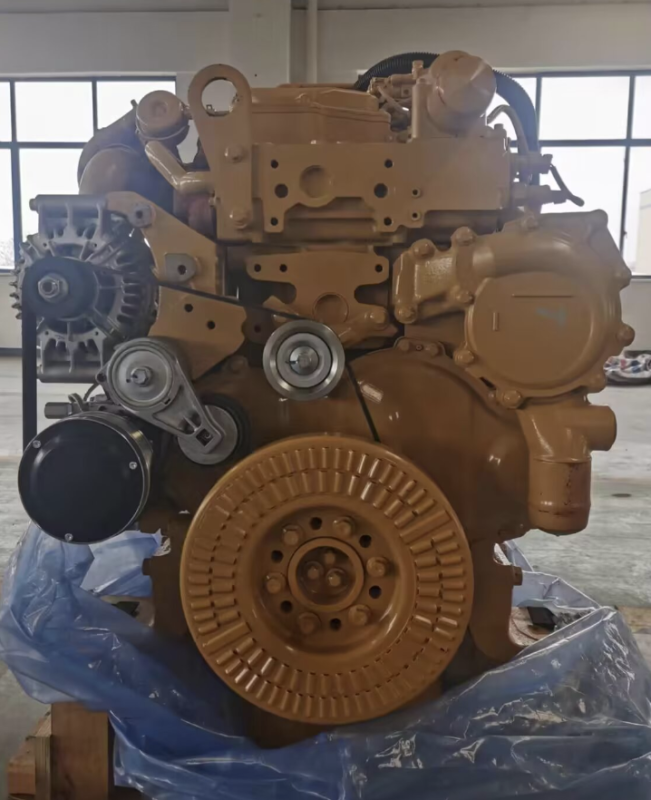
Caterpillar C7.1 engine, high-density 7.1-liter diesel engine ⚙️🔥


The Caterpillar C7.1 engine is a 7.1-liter inline six-cylinder diesel engine positioned as a new generation of mid-to-high-power engineering power platform, intended to replace some older C7/C6.6 engines in applications requiring stricter emission standards. While maintaining CAT’s consistently high reliability, it achieves higher power density, lower fuel consumption, and enhanced emission adaptability through upgrades to the combustion system, electronic control, and after-treatment capabilities.
The C7.1’s design philosophy is very clear: to maximize fuel efficiency per unit displacement without significantly increasing size or maintenance complexity. This is the core reason for its rapid deployment in new-generation excavators, loaders, and industrial equipment.
Engine Parameters and Technical Specifications Overview
From a parameter perspective, the C7.1 is clearly different from the traditional C7:
Engine Model: Caterpillar C7.1
Structure: Four-stroke, inline six-cylinder
Displacement: 7.1 L
Intake Method: Turbocharging + Intercooling
Rated Power Range: Approximately 205 – 340 HP (depending on calibration and emission standards)
Rated Speed: Approximately 2,200 rpm
Fuel System: High-pressure common rail electronic fuel injection
Cooling Method: High-efficiency water cooling
Lubrication System: Full-pressure forced lubrication
Emission Standard: Tier 4 Final / Stage V (supports DOC + DPF + SCR combination)
These parameters demonstrate that the C7.1 has fully entered the stage of modern diesel engines characterized by high electronic technology, low emissions, and strong control.
Power Density and Combustion System Analysis
The most crucial engineering changes lie in the combustion system and control strategy. The C7.1 utilizes a high-pressure common rail system to achieve more precise multi-injection control, improving cold starts, reducing combustion noise, and significantly enhancing fuel efficiency. In its displacement class, the C7.1’s power output per unit volume is significantly higher than the older C7, especially in the low-to-mid-range torque range, where it delivers a more robust performance.
The turbocharger and intercooler system are more aggressively matched, yet maintain a conservative and reliable engineering approach, prioritizing continuous output stability over extreme speeds, making it ideal for equipment operating in continuous conditions.
Emissions, Electronics, and Operating Costs
From a commercial perspective, the C7.1’s biggest advantage is the market access granted by emissions compliance. In markets with high emissions requirements such as Europe, the US, Australia, and Japan, the C7.1 can legally operate long-term, a capability the older C7 could not match.
While the electronic systems and aftertreatment introduce higher technical barriers, CAT has exercised relative restraint in its control of the C7.1: The electronic architecture is clear, diagnostic logic is standardized, maintenance is primarily module replacement, downtime risks are manageable, and long-term operating costs are predictable. As long as the fuel and urea are compliant, stability is guaranteed. Typical Applications
The Caterpillar C7.1 is primarily used in:
Next-generation medium-sized excavators
Loaders, graders
Road construction equipment
Industrial power units
Stage V / Tier 4 Final compliant diesel generator sets
Especially suitable for export markets, government projects, and OEM supply.
Jianming Machinery – C7.1 Engine and Parts Support Partner 🌍
Jianming Machinery provides Caterpillar C7.1 original equipment engine (OEM) configurations, complete machine replacement solutions, and supporting parts, covering high-pressure common rail injection systems, turbochargers, DOC/DPF/SCR aftertreatment components, sensors, control modules, and overhaul components. We also support international logistics, engineering selection, and technical coordination to help customers quickly implement projects while maintaining compliance.