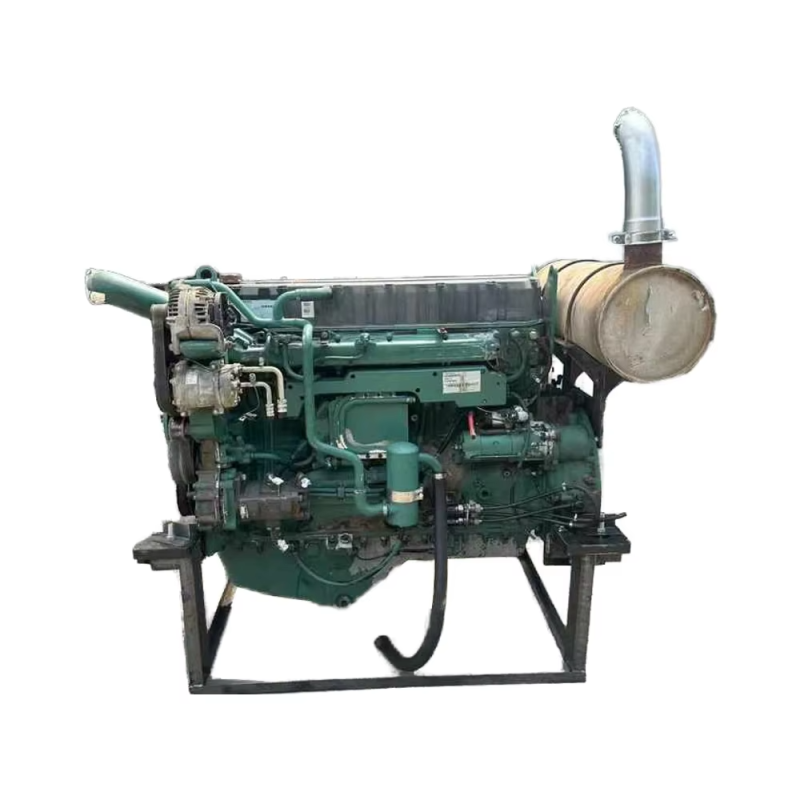
Technical Analysis and Engineering Application Guide for the Volvo D13 Engine


The Volvo D13 diesel engine is one of the core products in the Volvo Group’s heavy-duty powertrain portfolio, widely used in demanding applications such as heavy-duty trucks, construction machinery, mining equipment, and industrial power generation. Renowned for its high power density, outstanding fuel economy, and exceptional durability, this engine represents a mature platform specifically engineered for long-term, high-intensity operation. The D13 engine prioritizes sustained, stable high-torque output within the mid-to-low RPM range over maximum rotational speed, thereby maximizing overall engine efficiency and service life.
Structurally, the Volvo D13 features an inline six-cylinder, water-cooled, turbocharged and intercooled layout with a displacement of approximately 12.8 liters. Its high-strength cast iron cylinder block combined with a high-rigidity crankshaft structure ensures excellent stability and deformation resistance even under high combustion pressures. The inline six-cylinder configuration inherently offers superior mechanical balance, low operating vibration, and high compatibility with vehicle transmissions, hydraulic systems, and electronic controls—key factors driving the D13’s widespread adoption in heavy equipment.
For fuel and combustion systems, the D13 employs high-pressure common rail fuel injection technology, characterized by high injection pressure and precise control. It enables multiple injections based on operating conditions, thereby enhancing combustion efficiency while reducing noise and emissions. A meticulously designed combustion chamber, paired with a high-efficiency turbocharger, enables the engine to deliver ample torque even at low speeds. This reduces wear and fuel consumption caused by frequent high-speed operation. This power characteristic is particularly evident during heavy-load starts, long incline climbs, and continuous towing operations.
The cooling and lubrication systems are critical to the Volvo D13 engine’s longevity. Its efficient water-cooling system features scientifically designed cooling passages that maintain stable operating temperatures even in high-temperature environments or under heavy loads. The full-pressure lubrication system provides continuous, reliable oil film protection for the crankshaft, connecting rods, camshaft, and turbocharger. As long as qualified engine oil is used according to specifications and the oil filter is replaced regularly, internal engine wear can be kept within manageable limits over the long term. In actual engineering applications, it is not uncommon for a well-maintained D13 engine to operate for tens of thousands of hours.
In practical use, common failures of the Volvo D13 engine are more often related to operating environments and maintenance practices than to structural defects. For instance, low-quality fuel can cause wear in the fuel injection system, carbon buildup in the EGR or aftertreatment systems, and overheating due to inadequate cooling system maintenance. These issues are typically preventable through proper maintenance, reasonable load management, and regular inspections. Compared to some high-speed, high-power-density engines, the D13 is better suited for users prioritizing reliability and predictable maintenance costs.
In terms of applications, the D13 is widely used in heavy-duty trucks, mining vehicles, construction equipment, port machinery, and medium-to-large industrial generator sets from Volvo and other brands. Its broad power output range and strong adaptability meet both the fuel economy demands of road transport and the stringent torque and durability requirements of construction machinery.
Overall, the Volvo D13 engine represents a quintessential heavy-duty diesel platform engineered for reliability. Its strengths lie not in short-term bursts of high performance, but in long service life, controllable costs, and stable output. For heavy-duty transport, construction, and industrial power users, the D13 delivers a mature solution that balances performance, longevity, and operational efficiency.